
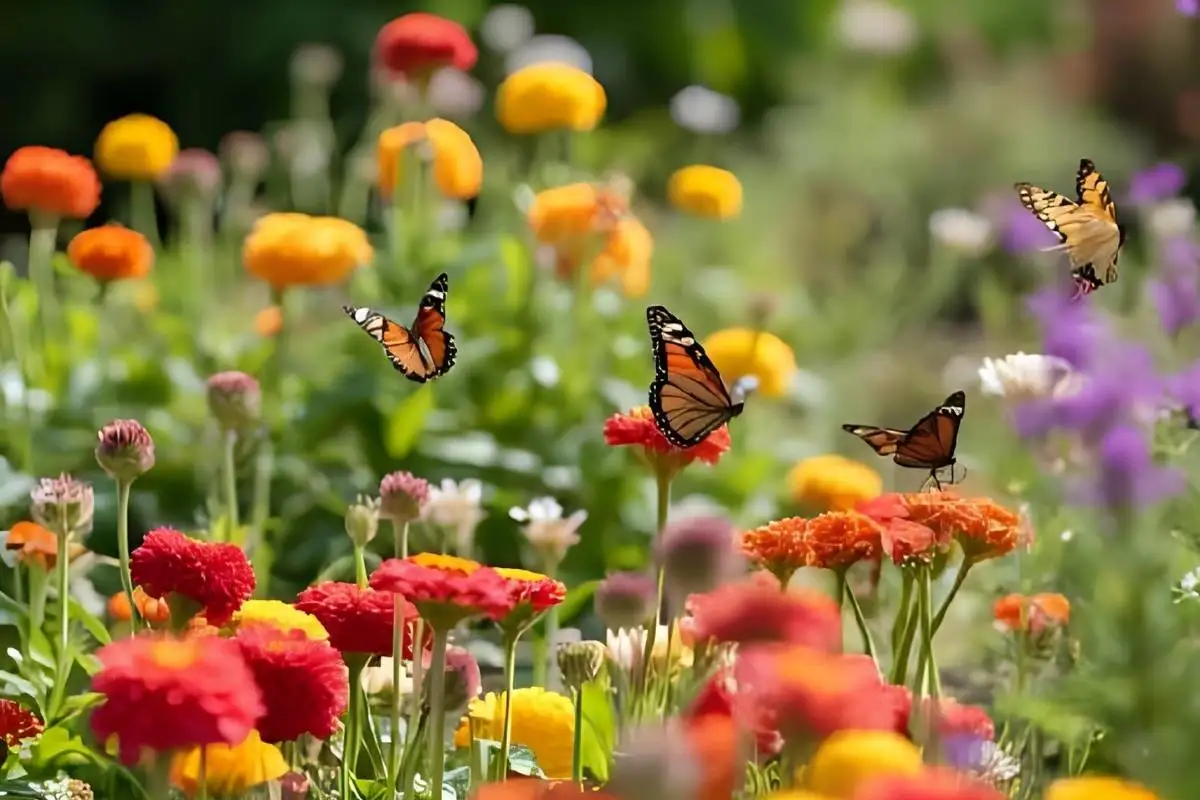
1. Why a Wildlife-Friendly Garden Matters
Creating a garden that welcomes wildlife is a simple way to support nature while adding color, sound, and movement to your space. Birds, butterflies, bees, and small creatures help pollinate plants and keep the ecosystem balanced. For seniors, watching wildlife brings a sense of peace and connection to the outdoors. Every garden, no matter its size, can become a sanctuary — a place where life flourishes and where you can enjoy the beauty of nature from your own chair or patio.
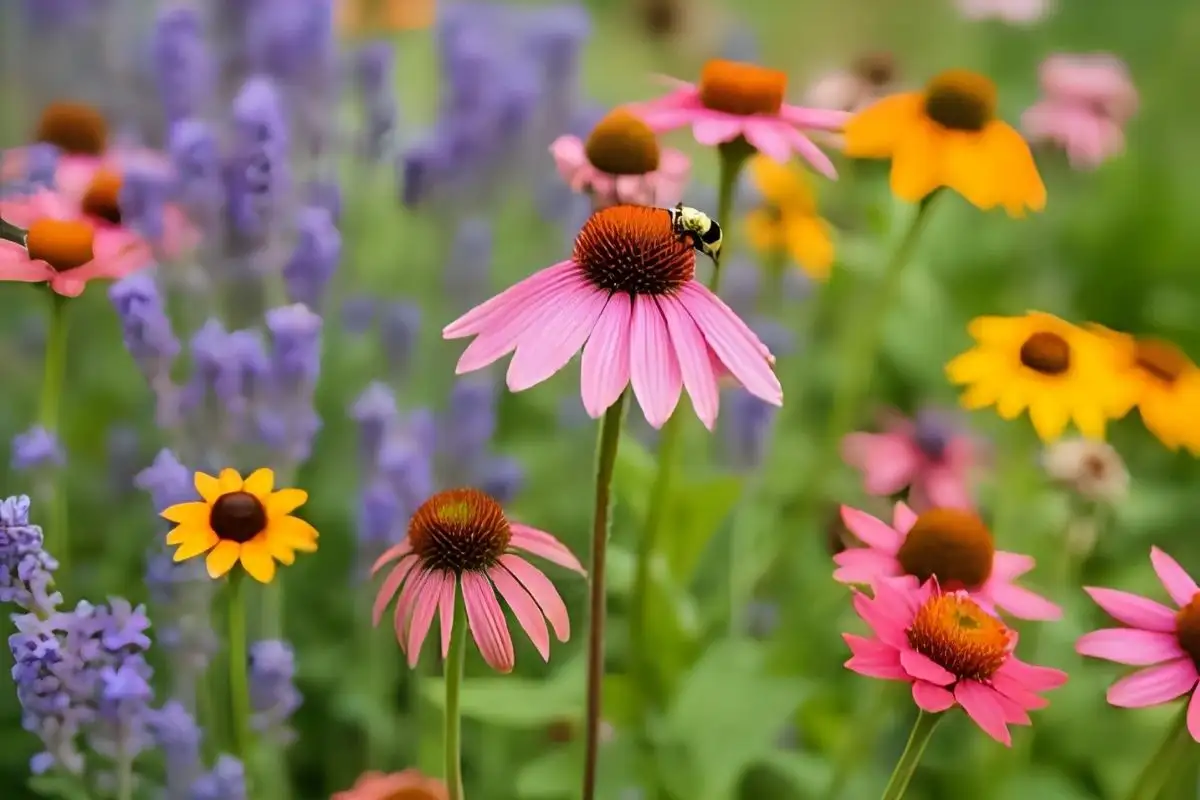
2. Choose Native Plants That Attract Pollinators
Native plants are the heart of any wildlife garden. They’ve evolved to thrive in your local climate and provide the best food and shelter for pollinators. Look for flowers like coneflowers, milkweed, lavender, and salvia — all favorites of bees and butterflies. Try to include plants that bloom at different times of the year to offer continuous nourishment. Mixing heights and colors creates a vibrant, layered look that attracts various species while keeping maintenance low and enjoyable.
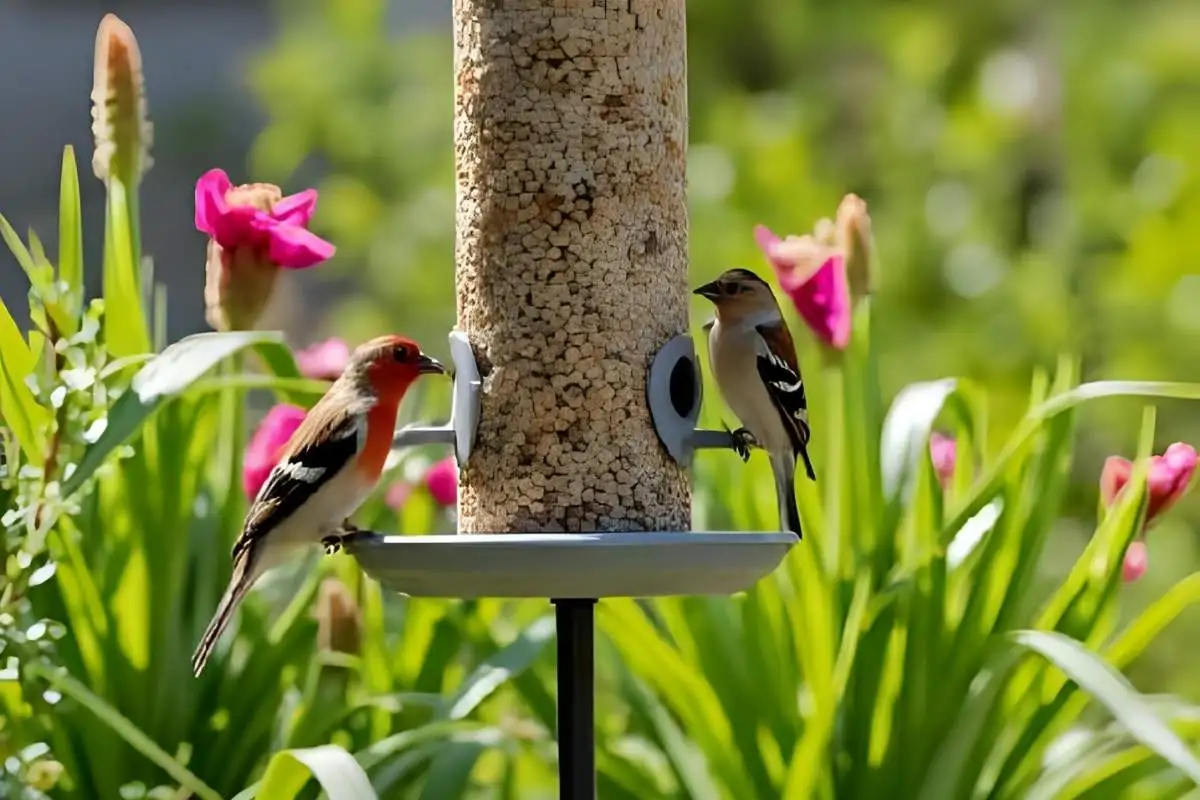
3. Feed and Welcome Garden Birds
Birds bring life and melody to your garden. To attract them, place feeders in safe, quiet areas away from predators. Offer a mix of seeds, suet, and fruit depending on local species. You can also plant berry-producing shrubs such as holly or elderberry for natural feeding options. Providing nesting boxes and small trees gives birds shelter during colder months. Watching birds visit your garden adds joy and relaxation, turning each morning into a nature show right outside your window.
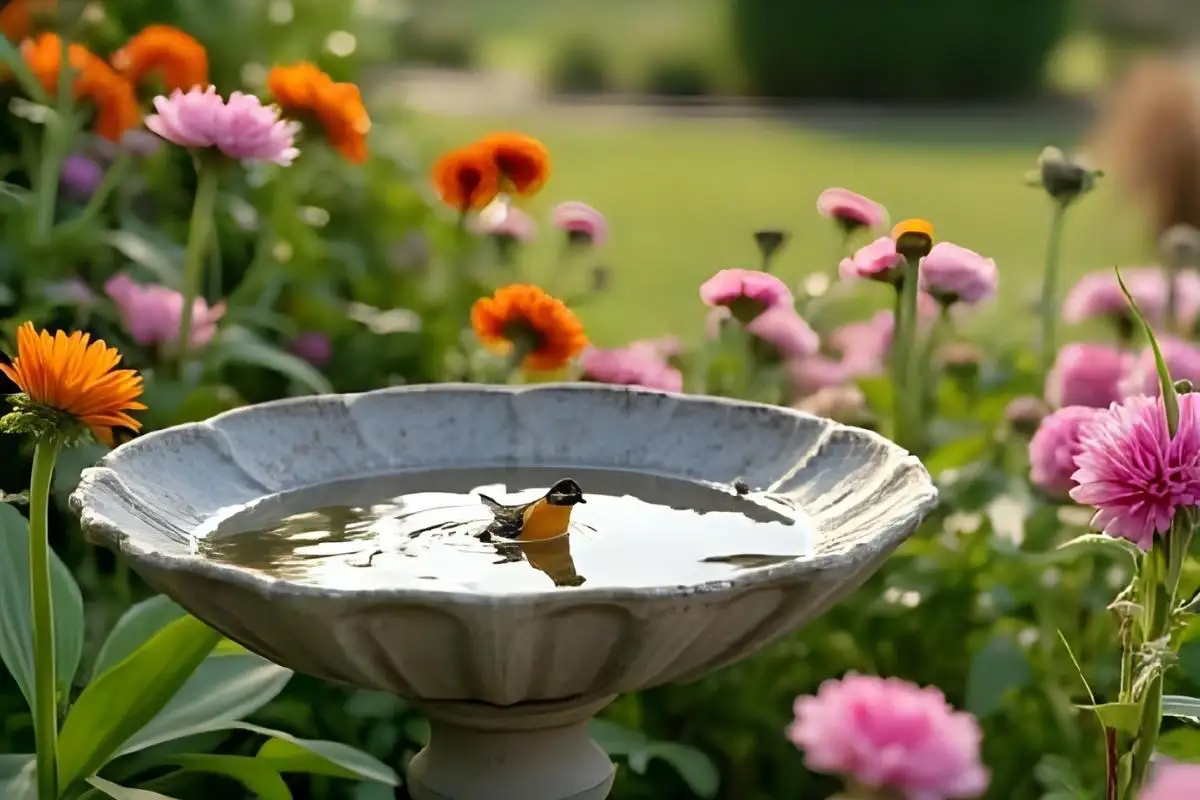
4. Add Water for a Touch of Serenity
Water features are magnets for wildlife. A simple birdbath, shallow dish, or small pond invites birds, butterflies, and even frogs. Ensure that the water is clean and shallow, with stones or pebbles for safe footing. Place it near plants but out of full shade to prevent algae growth. The gentle sound of trickling water adds calmness to your garden while providing a vital drinking and bathing spot for visiting creatures. It’s an easy way to add both beauty and function to your outdoor space.
5. Make Your Garden a Bee Haven
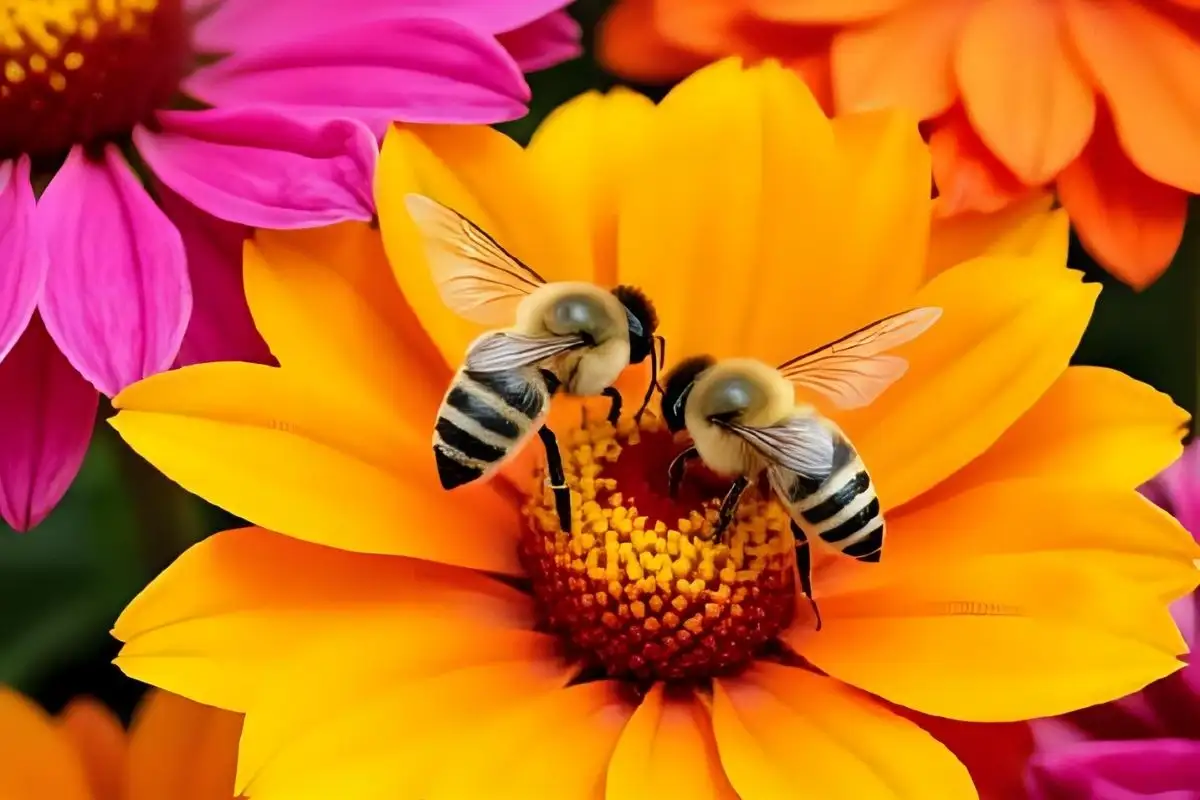
Bees are essential pollinators, and welcoming them ensures your garden stays healthy and productive. Choose brightly colored, nectar-rich flowers like marigolds, zinnias, and sunflowers. Avoid chemical pesticides, as they can harm beneficial insects. Instead, use natural pest control methods such as companion planting. You can even install a small bee hotel to give solitary bees a safe place to rest. Supporting bees helps your garden bloom with even more color, fragrance, and life.
6. Create Safe Spaces for Small Creatures
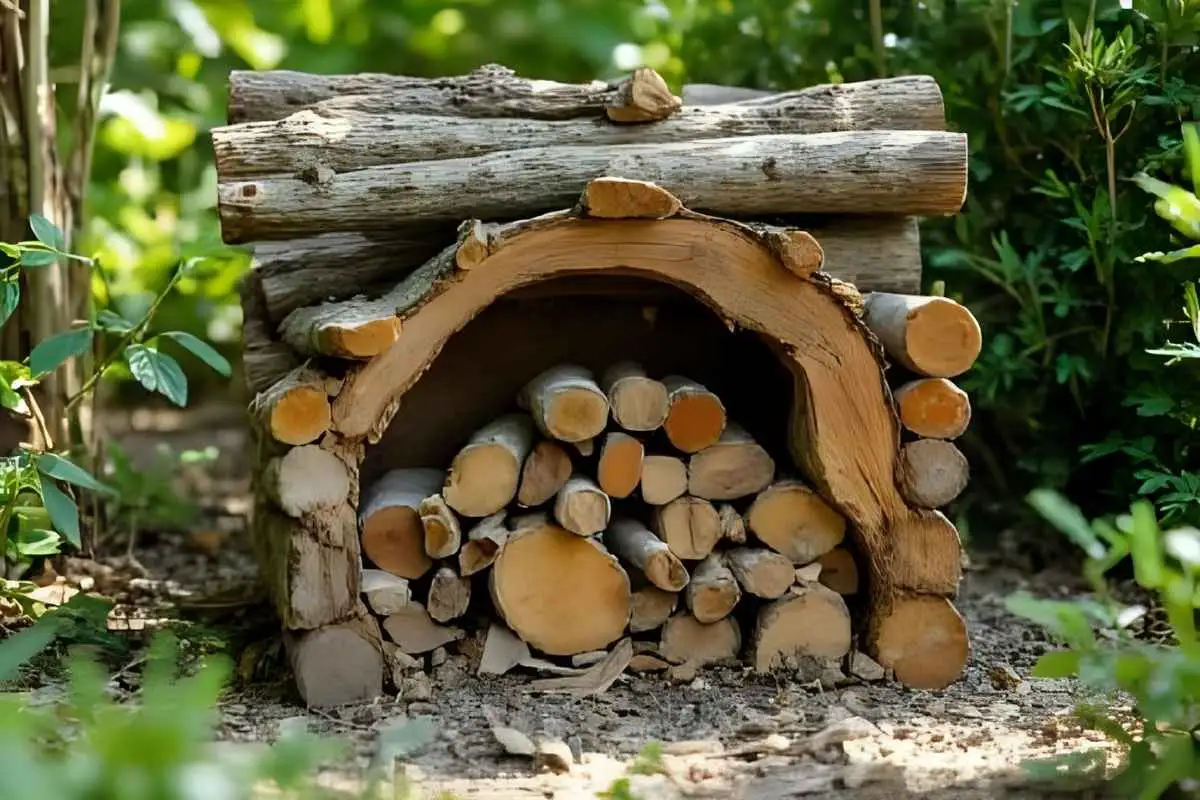
Wildlife-friendly gardens offer more than food and water — they provide shelter and safety. Log piles, rock borders, and leaf corners make perfect hideouts for helpful insects, frogs, and hedgehogs. Avoid over-tidying your garden; a few natural corners can make a big difference. Installing an insect house or compost bin not only encourages biodiversity but also enriches your soil naturally. A garden alive with small visitors brings balance and sustainability to your environment.
7. Enjoy the Magic of Nighttime Wildlife
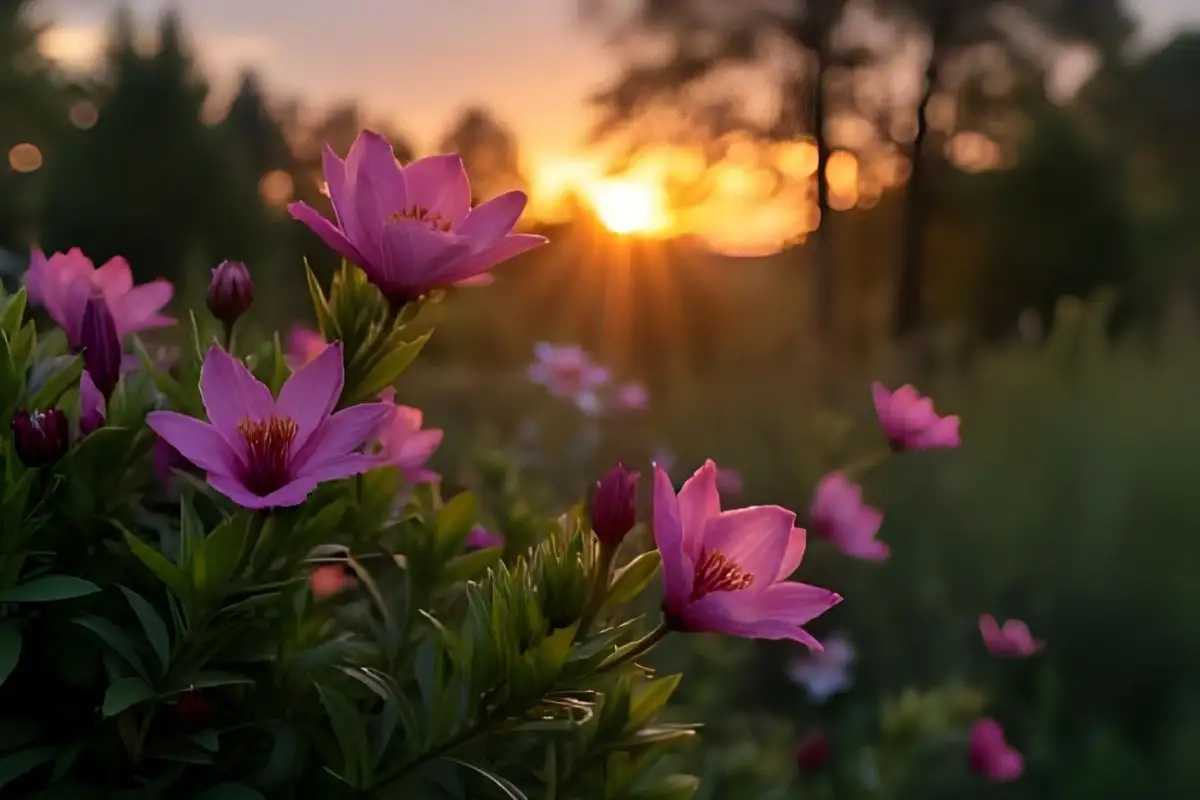
As the sun sets, a new world of garden life awakens. Moths, bats, and nocturnal birds become active, adding a sense of wonder to your evenings. To attract them, include night-blooming plants like jasmine or moonflower that release fragrance after dusk. Soft solar lighting or lanterns can make your space cozy without disturbing nature’s rhythm. Sitting quietly in your night garden offers a calming experience — a peaceful end to your day surrounded by gentle sounds and shimmering life.
8. A Living Garden that Gives Back
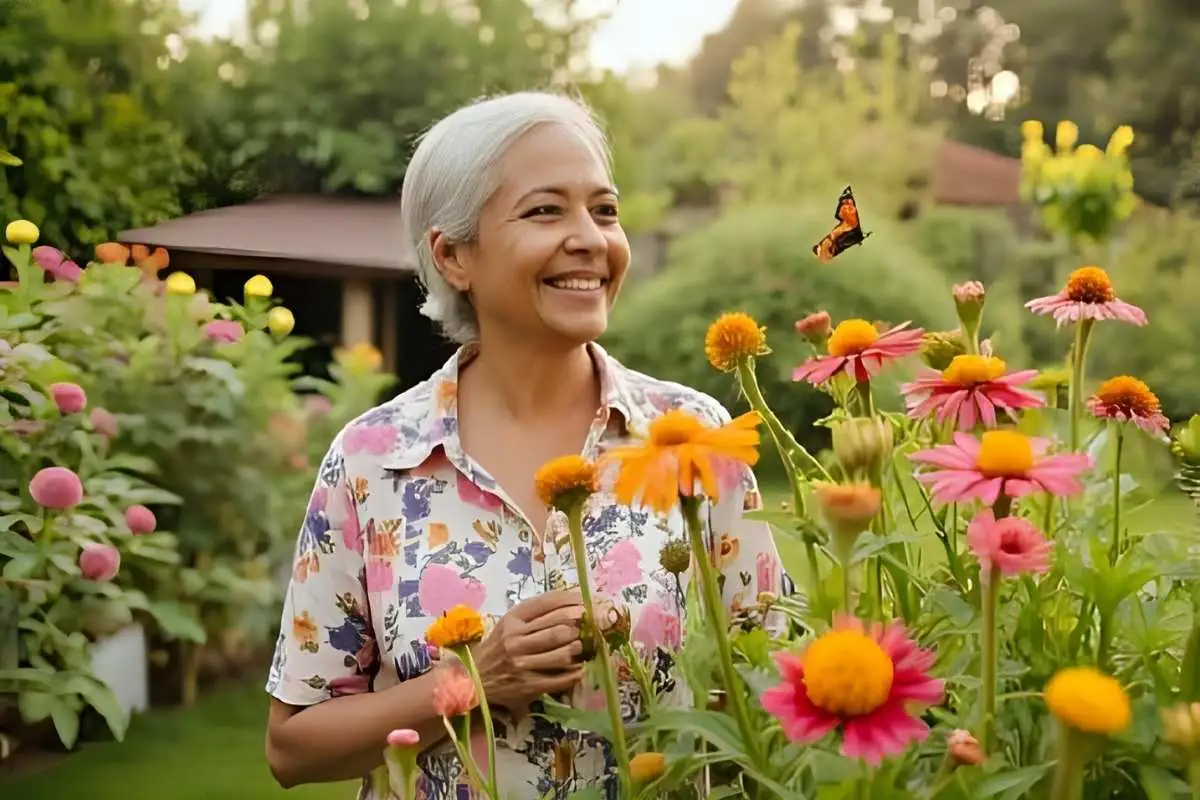
Building a wildlife-friendly garden is about creating harmony — between you, your plants, and the creatures that share your space. It’s an ongoing journey of nurturing and discovery. Every flower that blooms and every visitor that lands in your garden adds to its story. For seniors and families alike, this kind of gardening offers joy, relaxation, and a meaningful connection to the natural world. It’s more than gardening — it’s caring for life itself, one bloom at a time.