
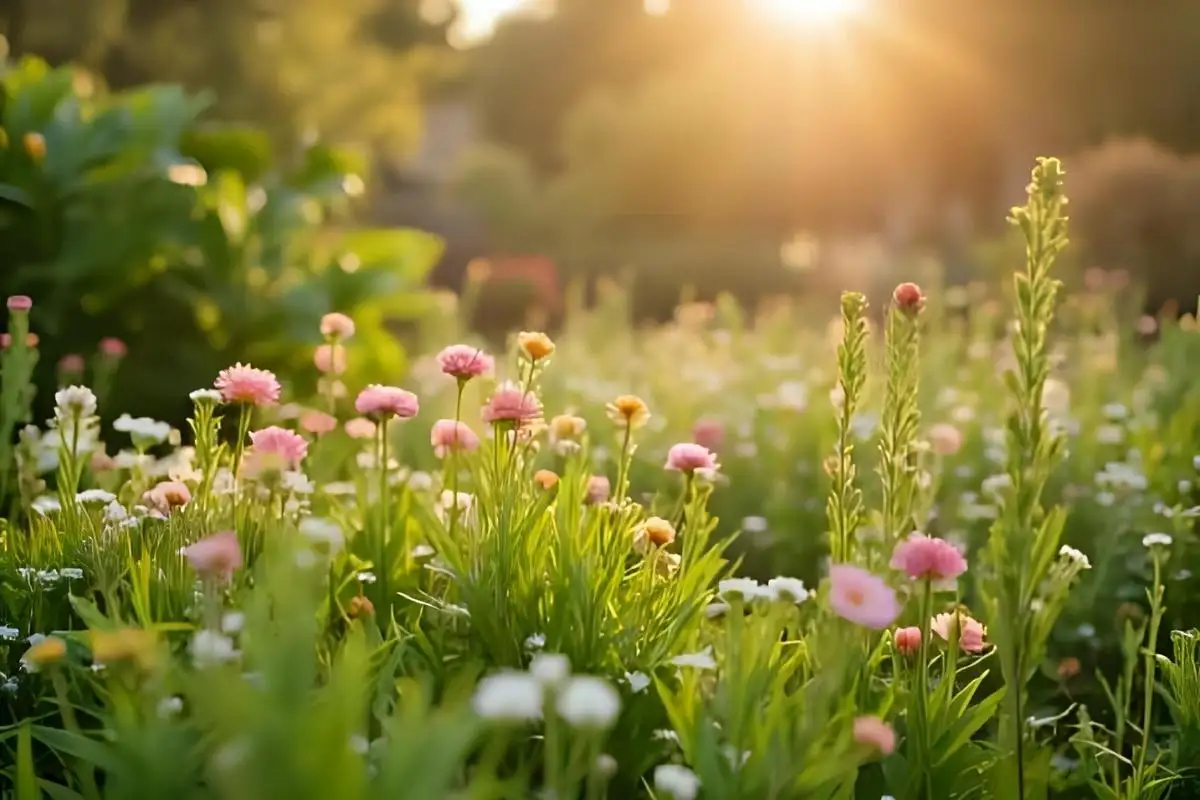
1. Gardening as a Path to Inner Calm
When your hands touch the soil, something changes within. Gardening naturally slows the mind and creates a rhythm that reduces anxiety and restlessness. The simple acts of planting, watering, and nurturing plants allow the brain to focus on gentle, repetitive movements that bring calm. Many seniors find peace in this mindful process — a quiet therapy that eases daily stress. Studies have shown that spending just 30 minutes a day in a garden can lower cortisol levels and improve overall mood. In a world that moves too fast, a garden is a gentle reminder to breathe, pause, and grow at your own pace.
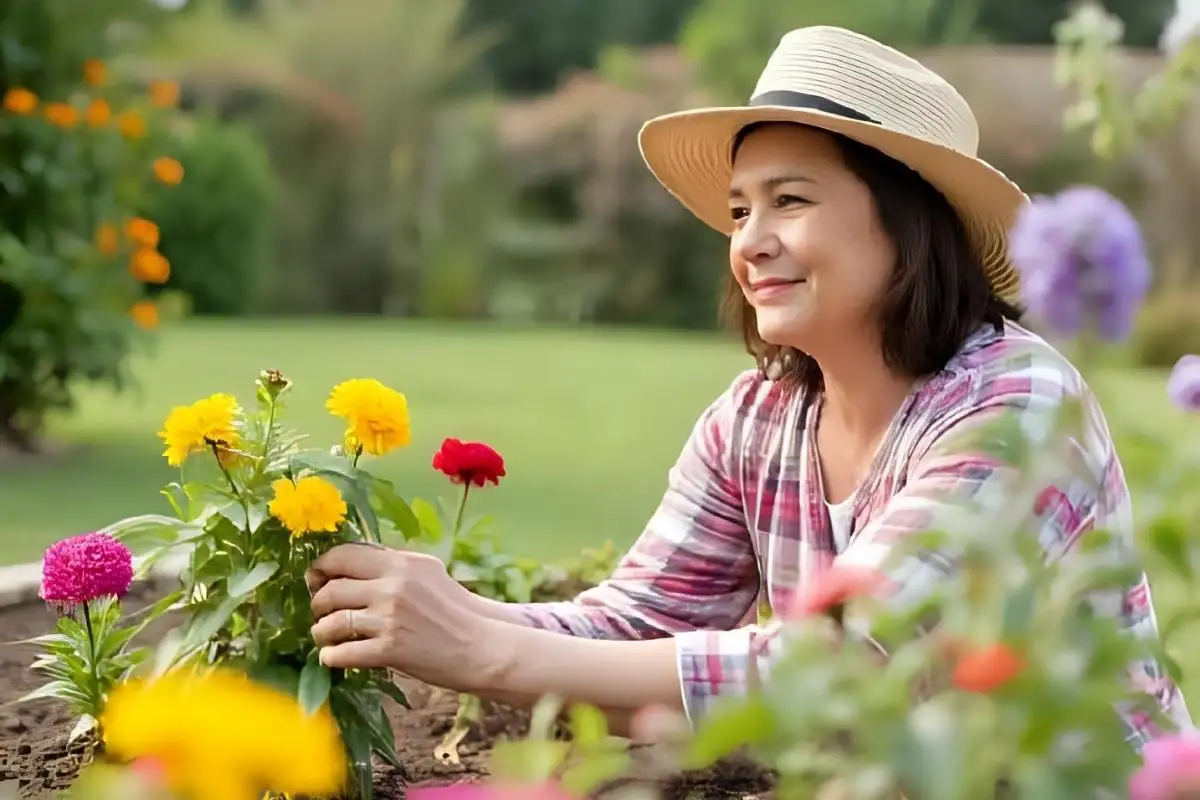
2. Natural Stress Relief and Emotional Balance
Gardening offers one of nature’s most accessible forms of stress relief. The combination of sunlight, fresh air, and physical movement encourages the release of endorphins — the body’s natural “feel-good” chemicals. Tending to plants gives a sense of purpose and control, which is particularly uplifting for seniors seeking emotional balance. Each seed planted is a small promise of life, and watching it sprout can renew hope and positivity. The repetitive motions and sensory engagement of gardening provide a peaceful rhythm that helps calm the mind and restore emotional clarity.
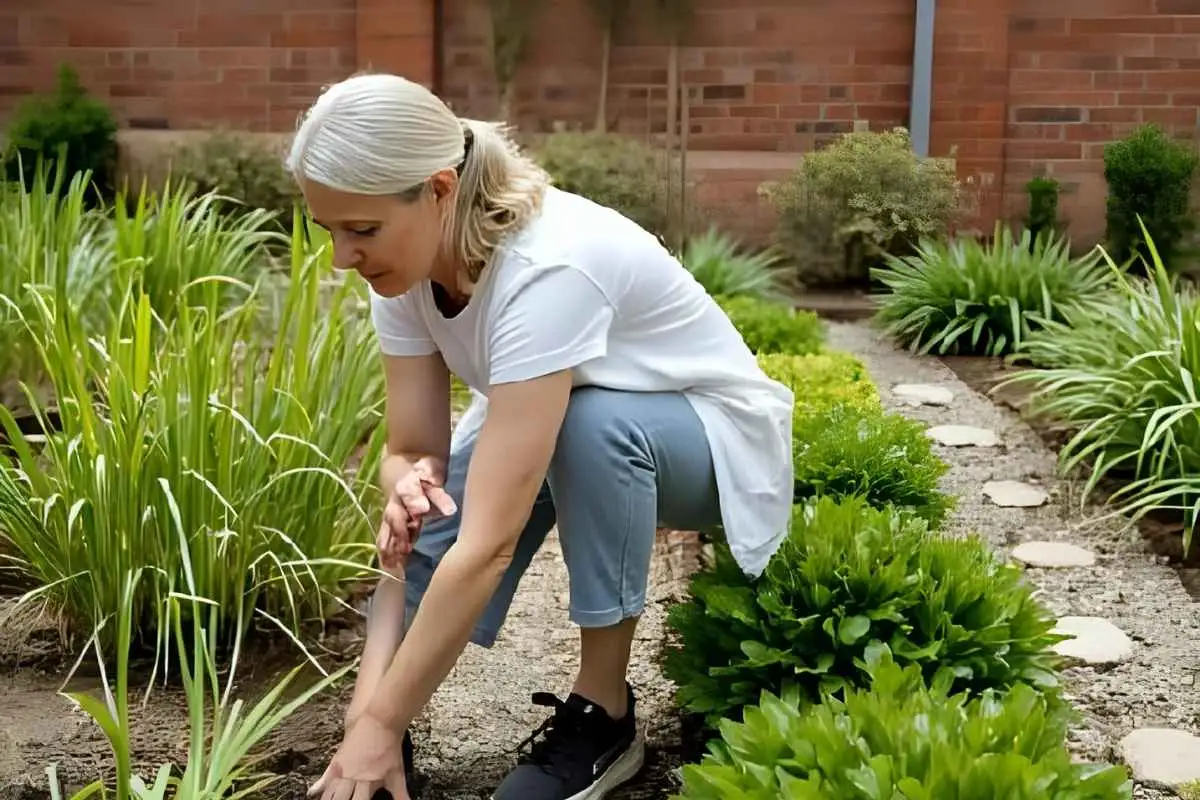
3. Physical Wellness Through Gentle Movement
Gardening is a form of natural exercise, offering both physical activity and relaxation. Tasks like digging, pruning, or watering strengthen muscles, improve flexibility, and enhance balance. For seniors, these low-impact movements are excellent for maintaining joint mobility and coordination. Even 15–20 minutes of daily gardening can support better blood circulation and promote restful sleep. What makes it special is that it doesn’t feel like exercise — it’s joyful movement with purpose. With the right tools and posture adjustments, gardening can safely contribute to long-term physical well-being at any age.

4. Boosting Mental Health and Memory
The mental benefits of gardening extend far beyond stress relief. Studies suggest that interacting with plants stimulates brain function and may even help slow cognitive decline in older adults. Remembering watering schedules, plant names, or seasonal changes keeps the mind engaged in a fulfilling way. For many seniors, tending to plants creates a sense of routine and accomplishment. This active engagement strengthens focus and memory while nurturing a deep connection to life’s cycles — a powerful remedy for loneliness and mental fatigue.
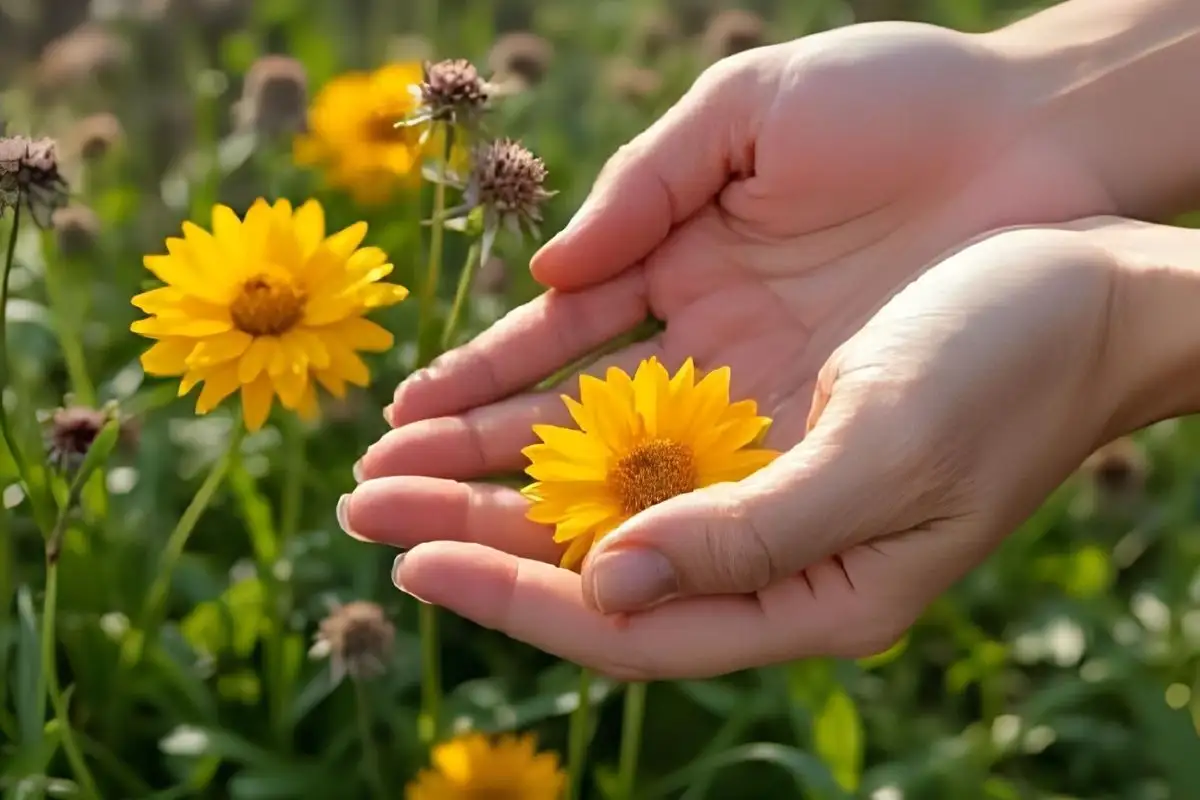
5. Engaging the Senses for Mindful Healing
Gardens awaken all five senses — sight, touch, sound, smell, and even taste. The softness of petals, the sound of rustling leaves, the scent of herbs, and the vibrant colors of blooms create a sensory experience that soothes the mind. This mindful engagement brings people fully into the present moment, reducing overthinking and worry. Seniors, in particular, benefit from this sensory stimulation, which enhances mood and mental clarity. A simple walk among flowers can be deeply grounding, reminding us that nature’s beauty heals in the most effortless way.
6. Building Connection and Community
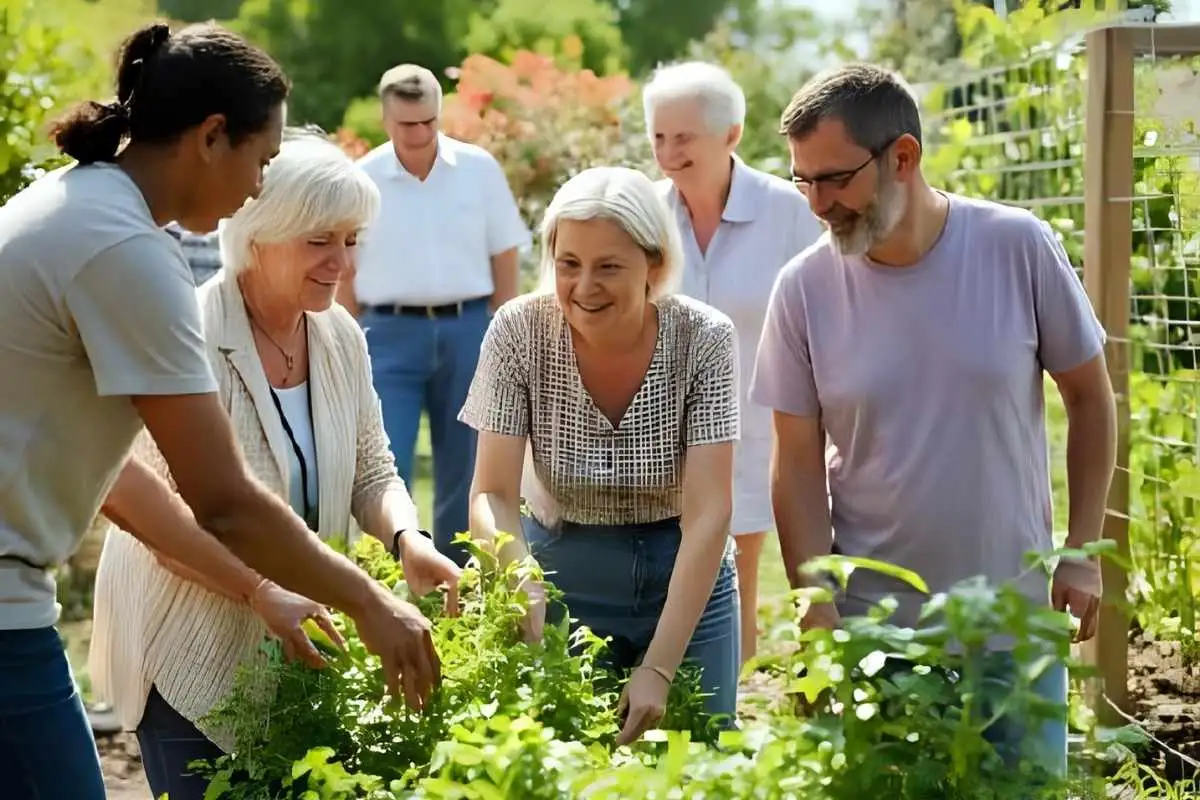
Gardening often brings people together. Community gardens and local planting clubs create opportunities for seniors to connect, share, and learn from one another. Working alongside others fosters friendship, laughter, and a sense of belonging. These social bonds are vital for emotional health, helping to combat isolation and loneliness. Whether it’s exchanging seeds, sharing harvests, or simply chatting while watering, gardening builds a bridge between people — rooted in kindness and shared growth.
7. Mindfulness and Spiritual Renewal
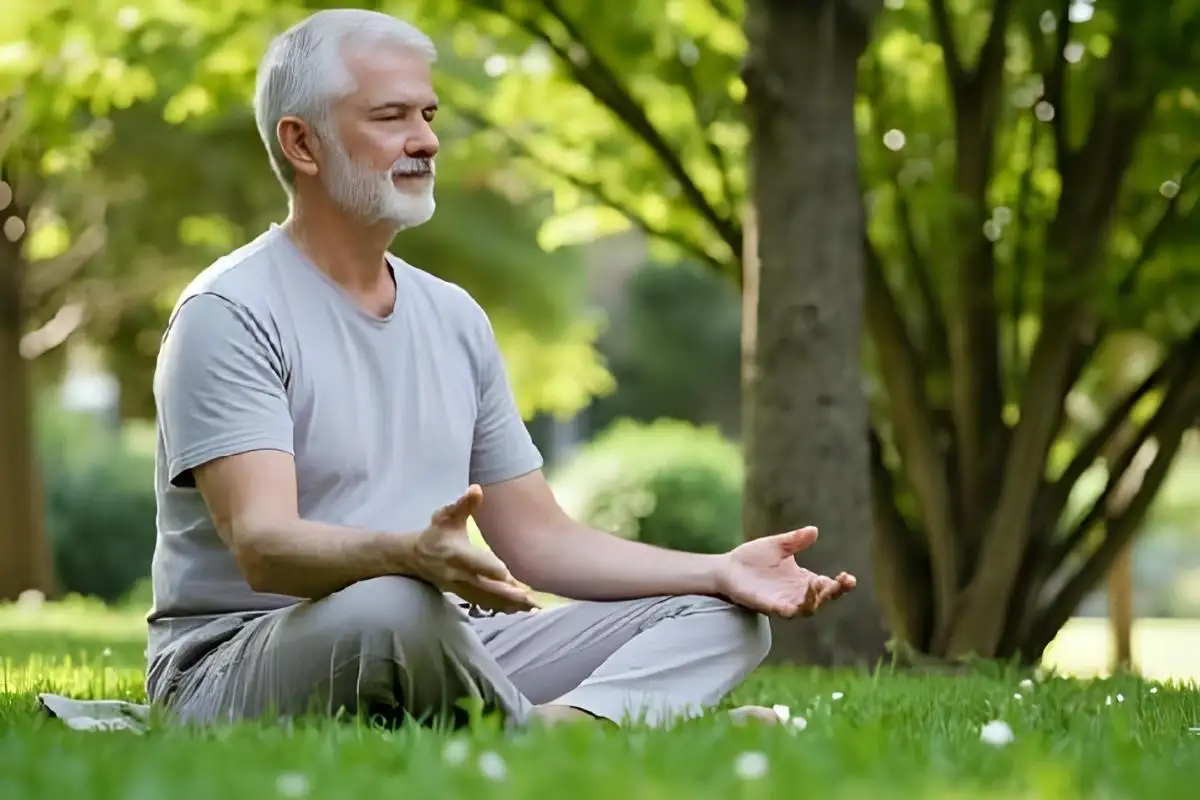
Gardening naturally nurtures mindfulness — the art of being fully present. As you tend to your plants, you begin to notice life’s subtleties: the warmth of sunlight, the sound of bees, the growth of a new leaf. These small moments become meditations in motion. Many seniors describe gardening as a spiritual practice that reconnects them to gratitude and purpose. It’s a reminder that growth takes time, patience, and care — lessons that apply beautifully to both plants and people.

8. A Garden as a Source of Lifelong Joy
The true healing power of gardening lies in its simplicity. You don’t need fancy tools or grand spaces — just soil, sunlight, and intention. For seniors, it’s a deeply rewarding way to stay active, creative, and at peace. Each plant nurtured becomes a living reminder of resilience and renewal. Over time, the garden mirrors the gardener: calm, strong, and full of life. In caring for nature, we rediscover how nature quietly cares for us.