
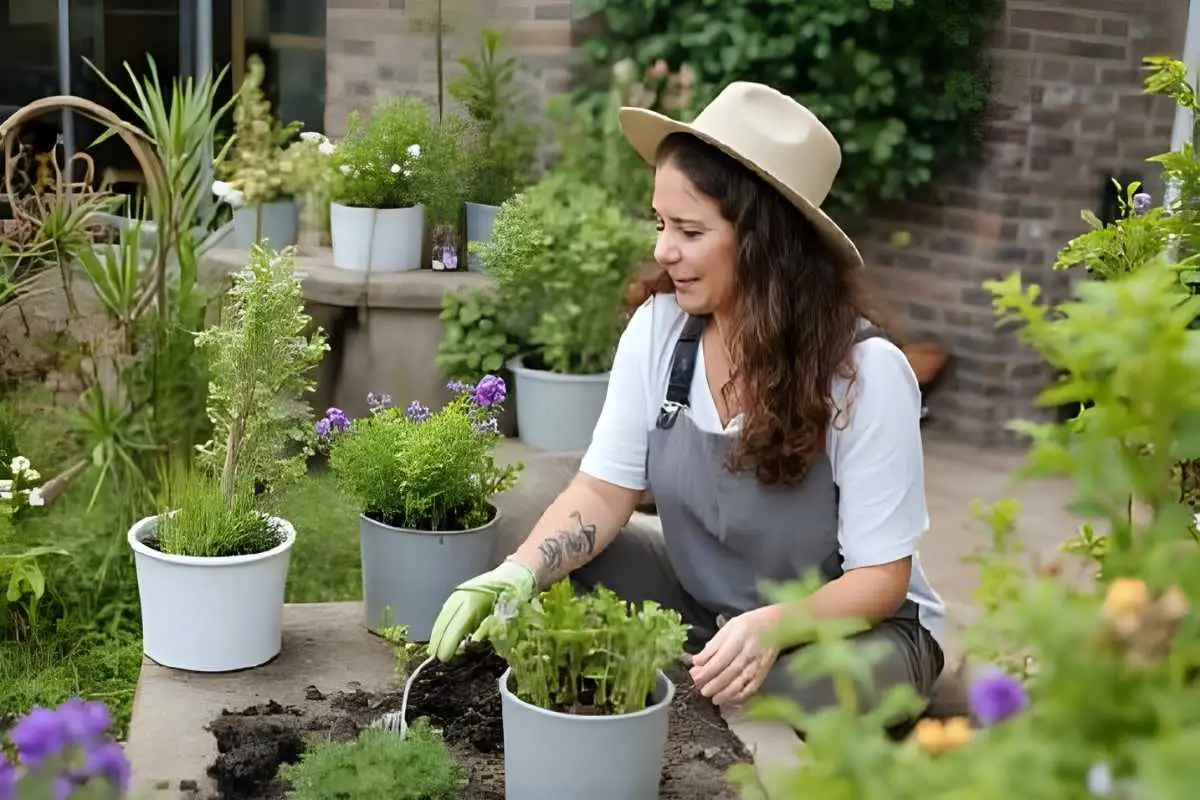
1. Why Seated Gardening Is Perfect for All Ages
Seated gardening makes the joy of growing plants accessible to everyone, especially seniors or anyone who prefers a more relaxed approach. By bringing plants up to chair height, you can continue nurturing flowers, herbs, and vegetables without needing to bend or kneel. It encourages outdoor time, light physical activity, and creative expression — all while ensuring safety and comfort. With the right setup, you can transform even a small patio or balcony into a thriving seated garden oasis.
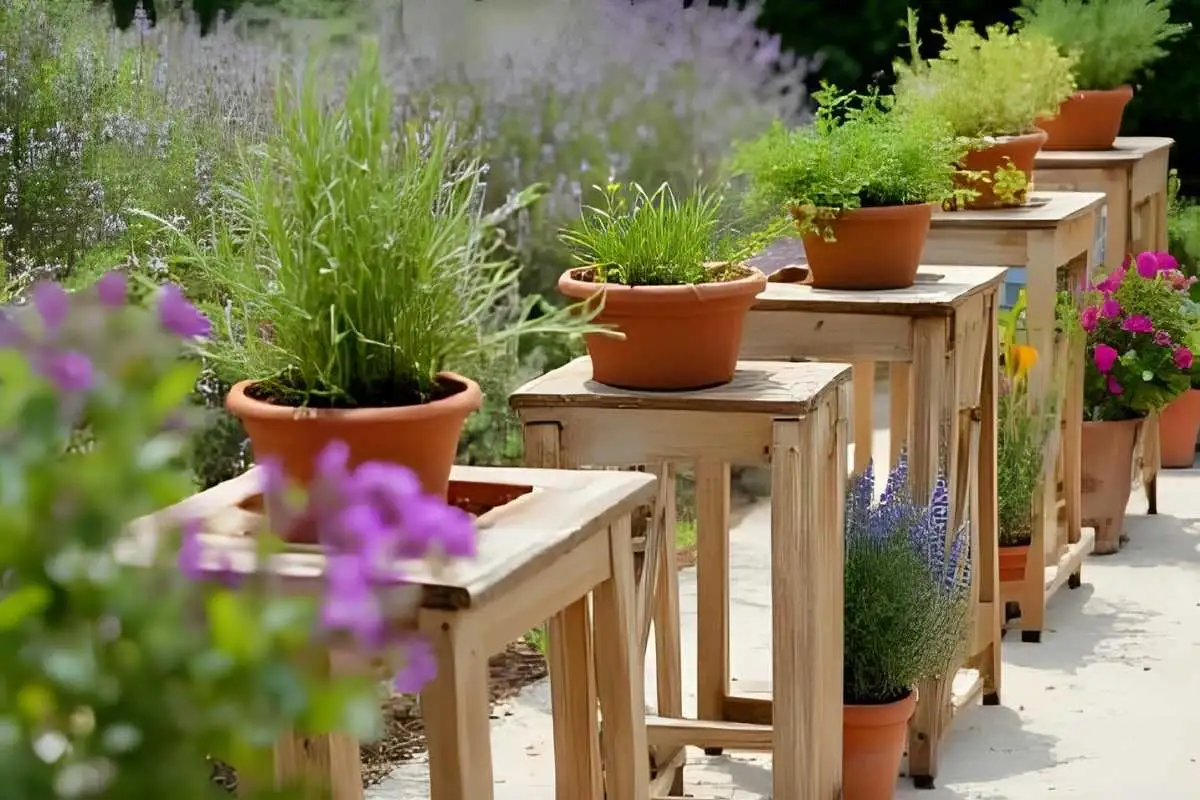
2. Choosing the Right Raised Planters
Raised planters are the foundation of seated gardening. Look for beds that stand between 24 and 36 inches tall — high enough to reach easily from a chair or mobility aid. Wood, metal, and recycled plastic are all durable choices. For smaller spaces, vertical planters or tiered stands can maximize planting area. Choose models with wide edges where you can rest your arms for comfort. Many seniors enjoy customizing their planters with cheerful paint or decorative trim, adding a personal touch to their growing space.
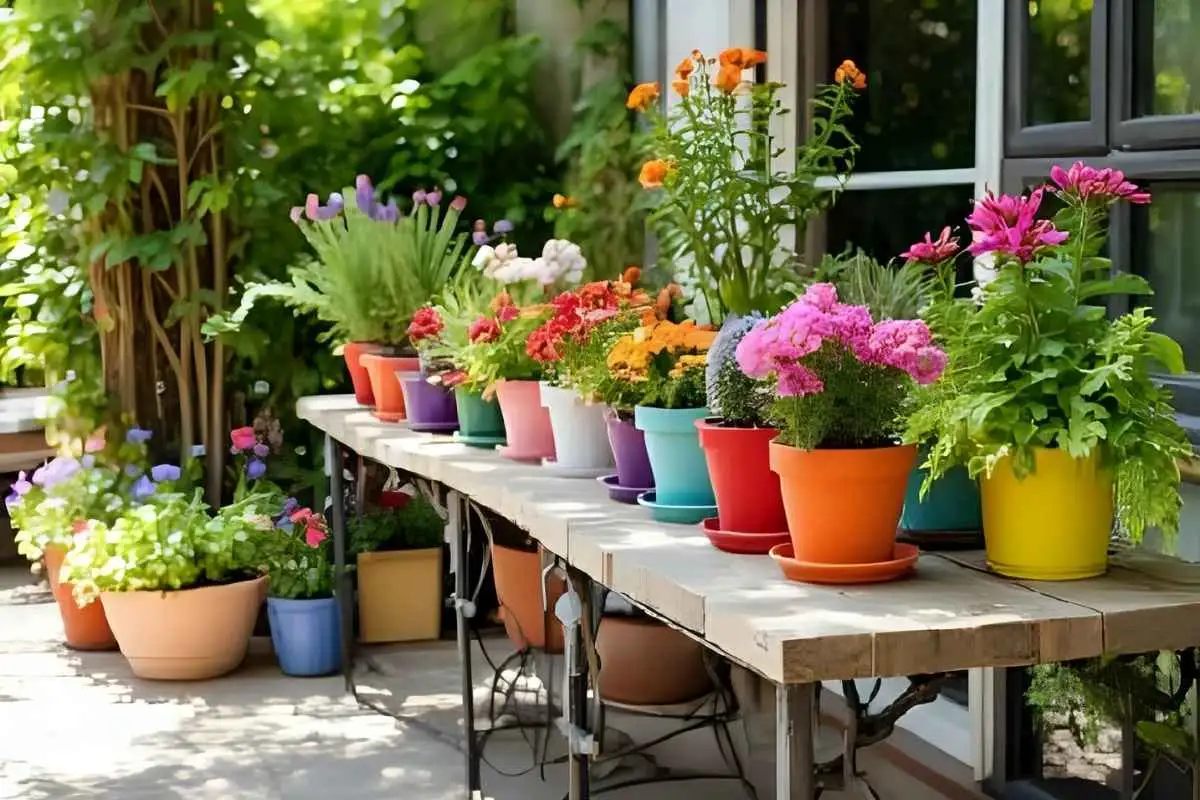
3. Container Gardening Made Comfortable
Containers are versatile and ideal for seated setups. Group pots together on tables or stands at waist height so every plant is easy to reach. Lightweight plastic, resin, or fabric pots are easier to move around than ceramic ones. Herbs, lettuce, pansies, and small succulents thrive beautifully in containers. Using matching pots creates a clean, organized look, while mixing shapes and colors can make your garden more playful and lively. Don’t forget to include saucers or trays underneath to prevent drips and keep maintenance simple.
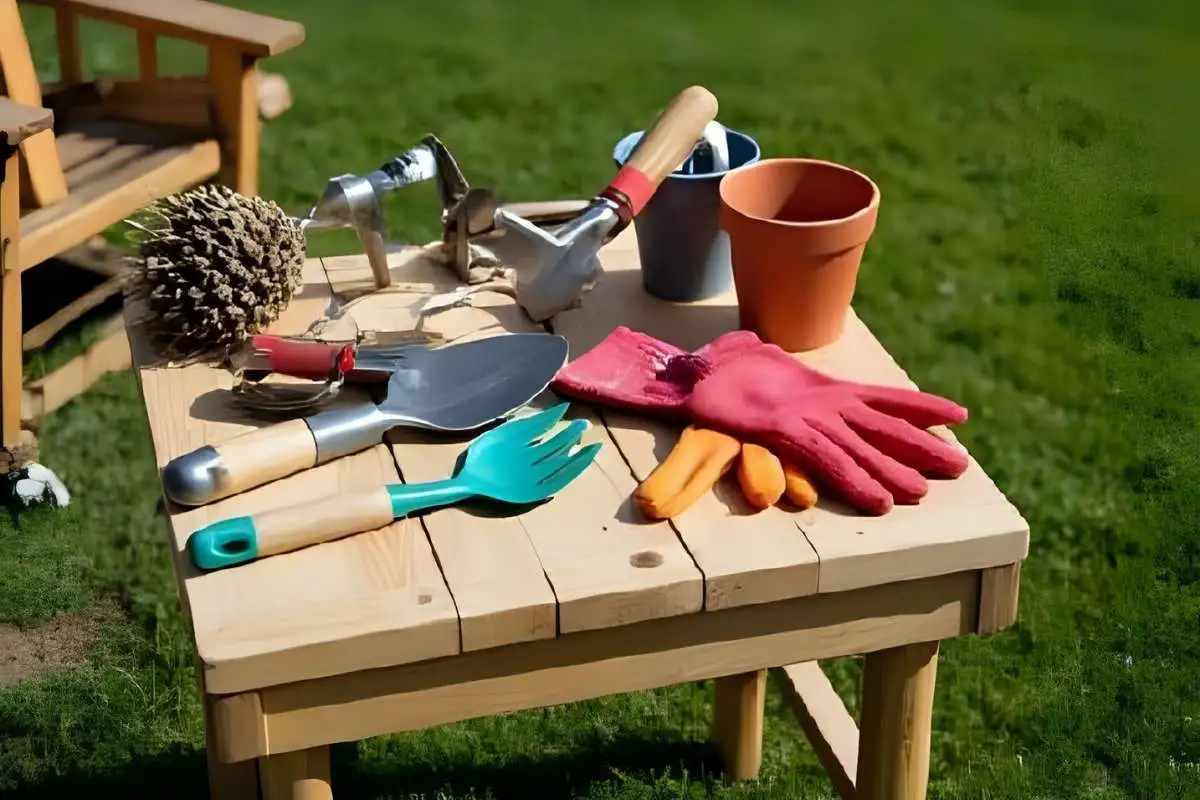
4. Tools Designed for Comfort and Ease
Ergonomic tools make all the difference in seated gardening. Look for long-handled trowels, cultivators, and pruners that reduce reaching and stretching. Lightweight aluminum tools are easier on the wrists, while padded handles add extra comfort. A rolling cart or small side table can hold your supplies within easy reach. Many garden centers now offer adaptive tools designed specifically for accessibility — ensuring that gardening stays enjoyable, not strenuous.
5. Watering Without the Hassle
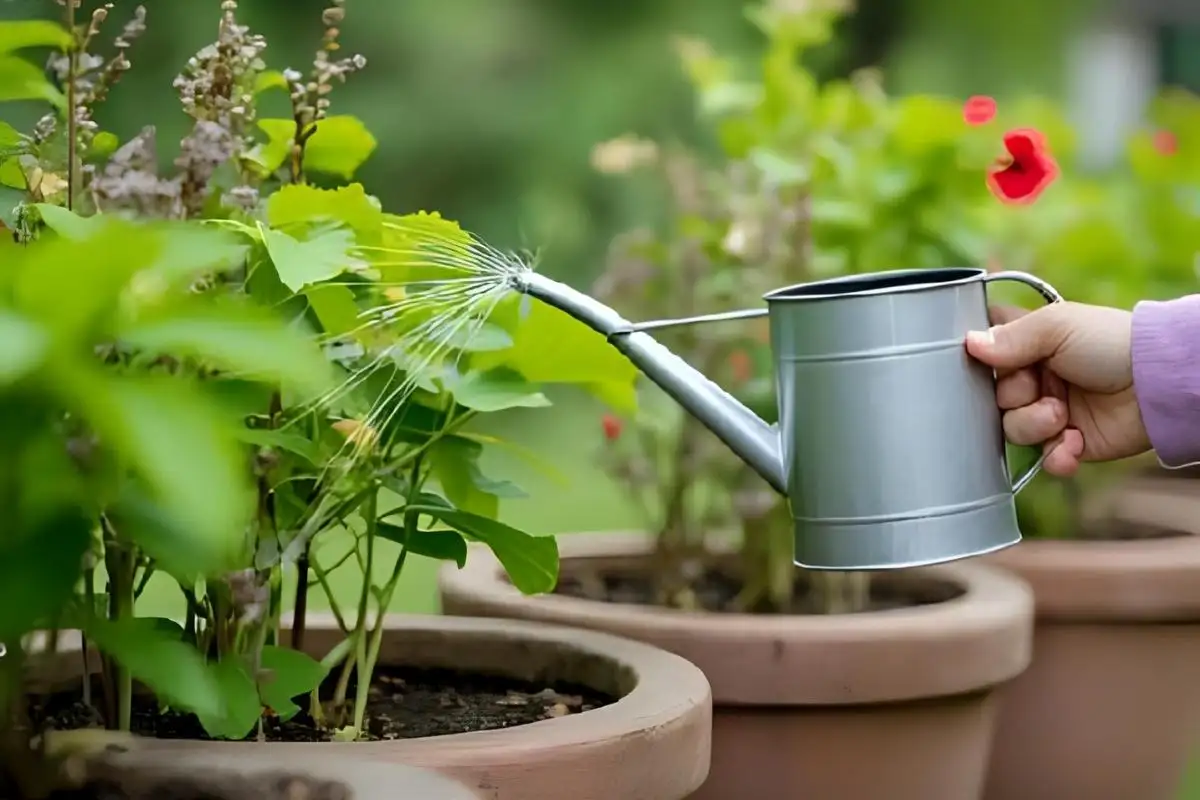
Keeping your seated garden hydrated doesn’t have to mean lifting heavy cans. Use a long-spout watering can, a gentle hose attachment, or a self-watering planter system to make the process easy and efficient. Grouping plants with similar moisture needs helps prevent over- or under-watering. Seniors especially benefit from drip irrigation kits, which deliver consistent water with minimal effort. It’s a smart way to maintain lush growth while saving time and energy.
6. Growing Herbs, Flowers, and Veggies at Arm’s Reach
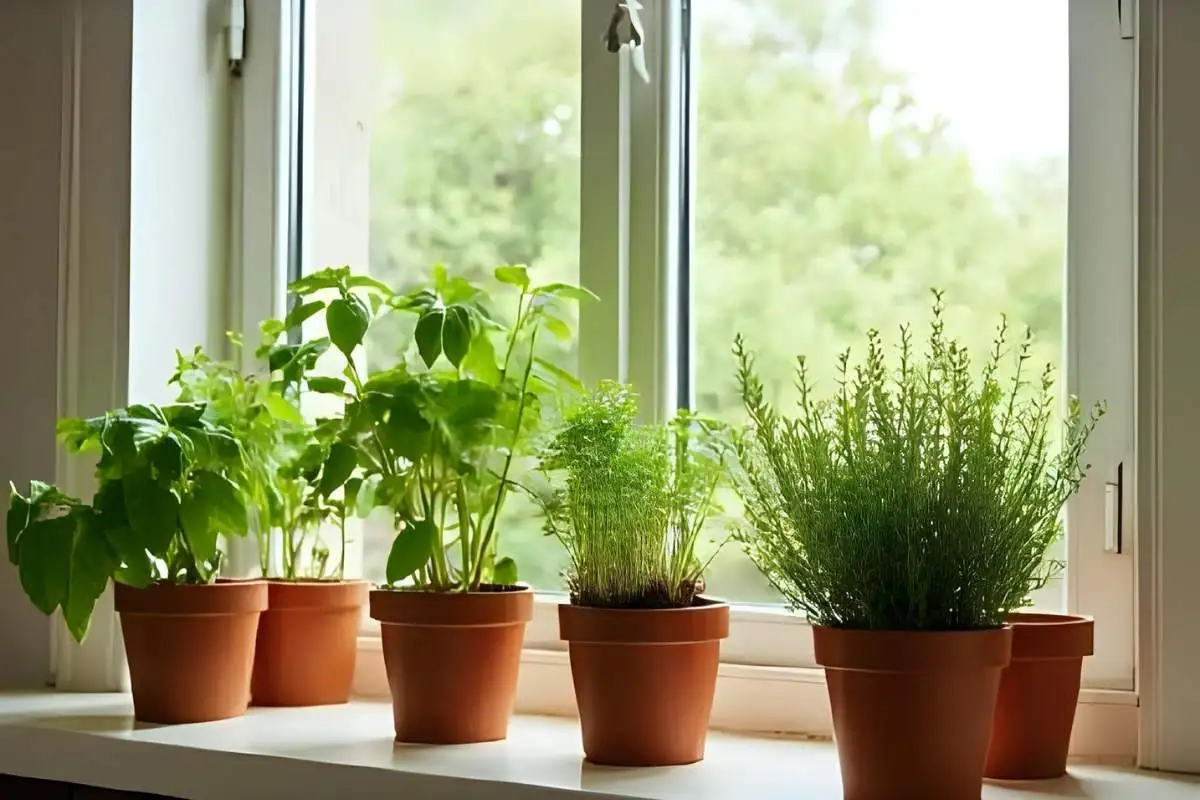
Many plants thrive beautifully in a seated garden setup. Herbs like basil, thyme, and parsley do well in shallow containers, while cherry tomatoes, lettuce, and dwarf peppers can grow in deeper planters. For added beauty, mix in flowers such as marigolds, zinnias, or geraniums. Combining fragrant herbs and colorful blooms makes every gardening session a sensory delight. Arrange plants so taller ones sit at the back and smaller ones at the front, creating both accessibility and visual balance.
7. Creating a Comfortable and Safe Setup
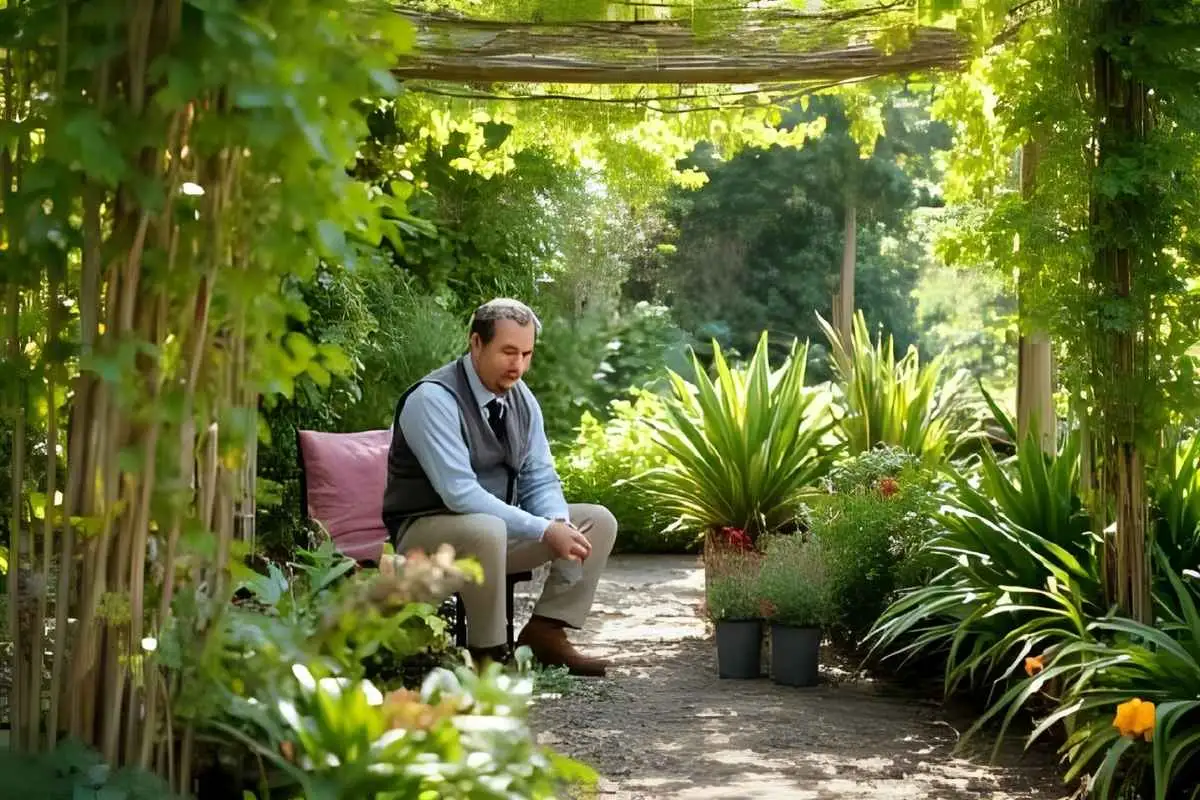
Comfort is key to enjoying seated gardening. Choose a sturdy chair with armrests and good back support. Position planters at the right height to avoid stretching forward. If your garden is outdoors, add a sun umbrella or small canopy to provide shade. A non-slip mat underfoot ensures stability, especially when watering. Seniors can enhance safety by keeping pathways clear and well-lit — allowing easy, confident movement through the garden.
8. Indoor Seated Gardening for Every Season
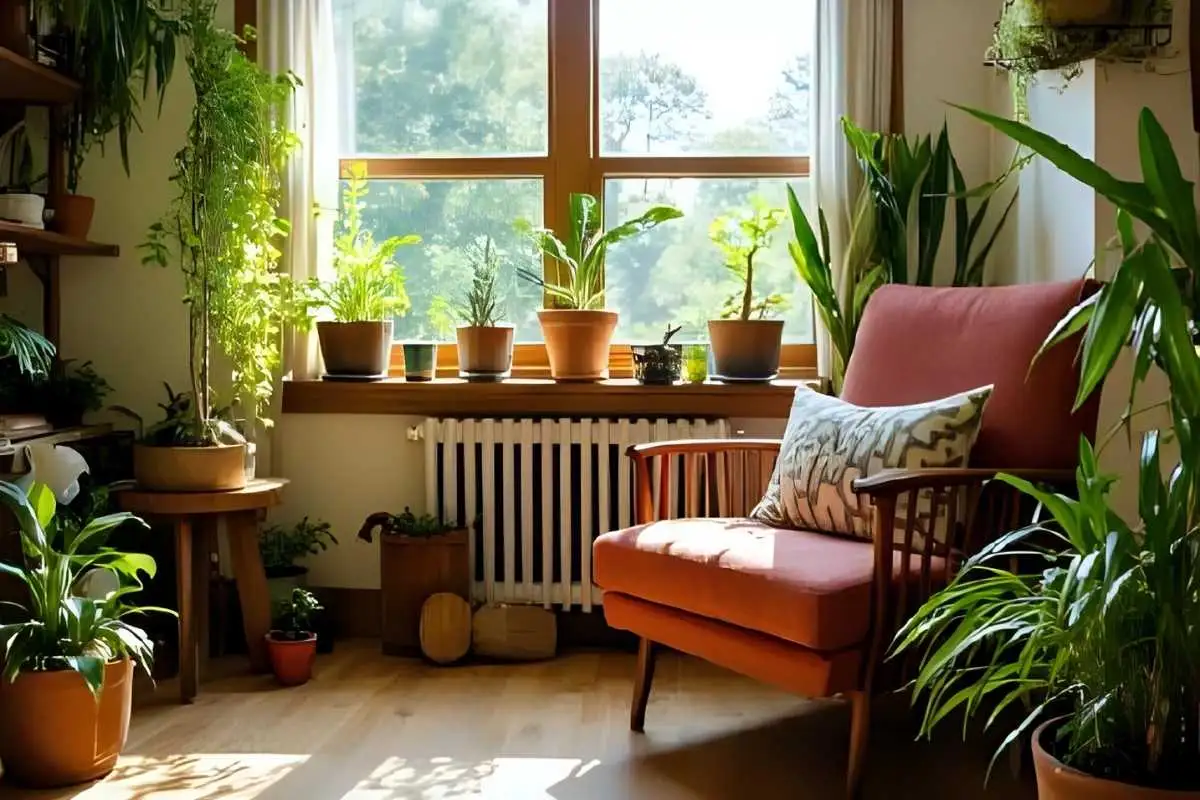
When the weather turns cold, your seated garden can move indoors. Place compact planters near sunny windows or use LED grow lights to keep plants healthy. Indoor gardens can include microgreens, small herbs, or decorative houseplants like peace lilies and pothos. This setup brings greenery into your home year-round, offering a calming daily routine. Seniors often find that tending to indoor plants adds warmth and liveliness to winter months while staying physically accessible.
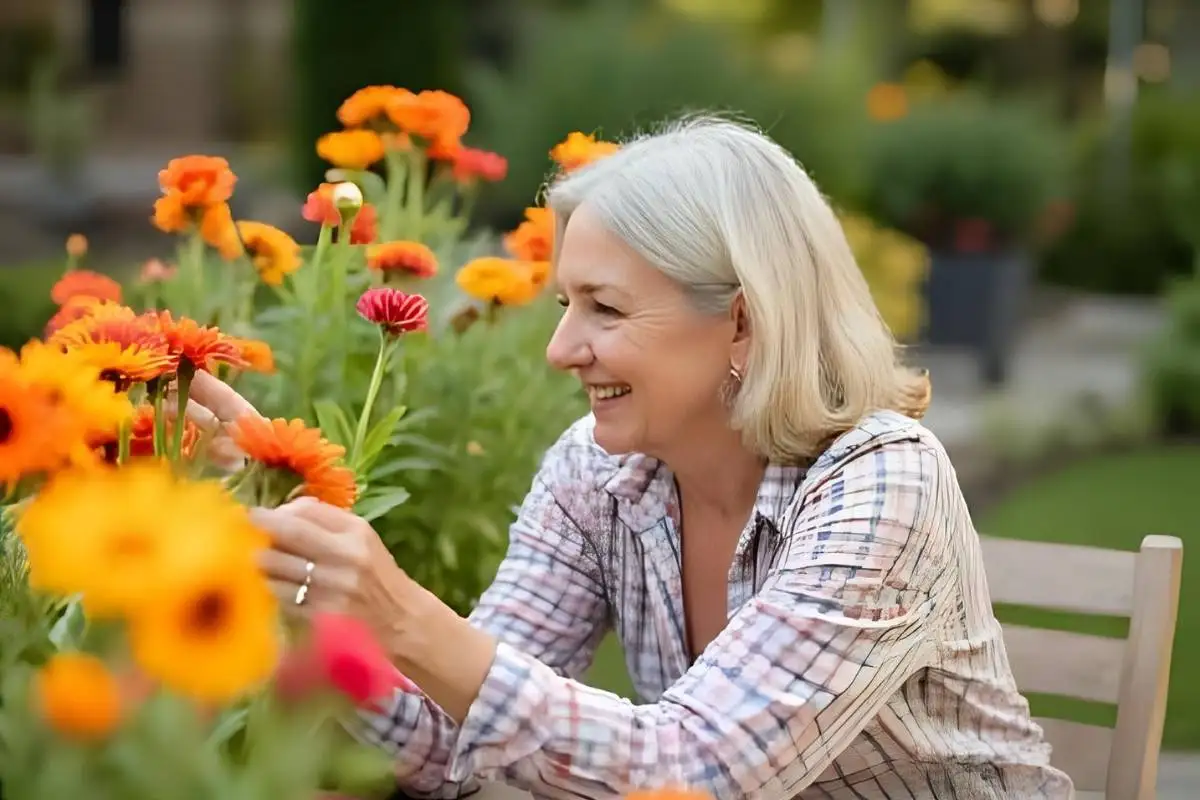
9. The Joy of Gardening Your Way
Seated gardening is more than a practical solution — it’s a celebration of creativity, independence, and joy. By adapting your space to your comfort, you make gardening sustainable and fulfilling at any age. Whether you grow herbs for cooking, flowers for color, or vegetables for freshness, each plant you nurture brings satisfaction and serenity. The garden becomes not just a place to grow, but a place to feel truly at ease — surrounded by life, beauty, and balance.