
1. Why Kitchen Waste Belongs in Your Garden
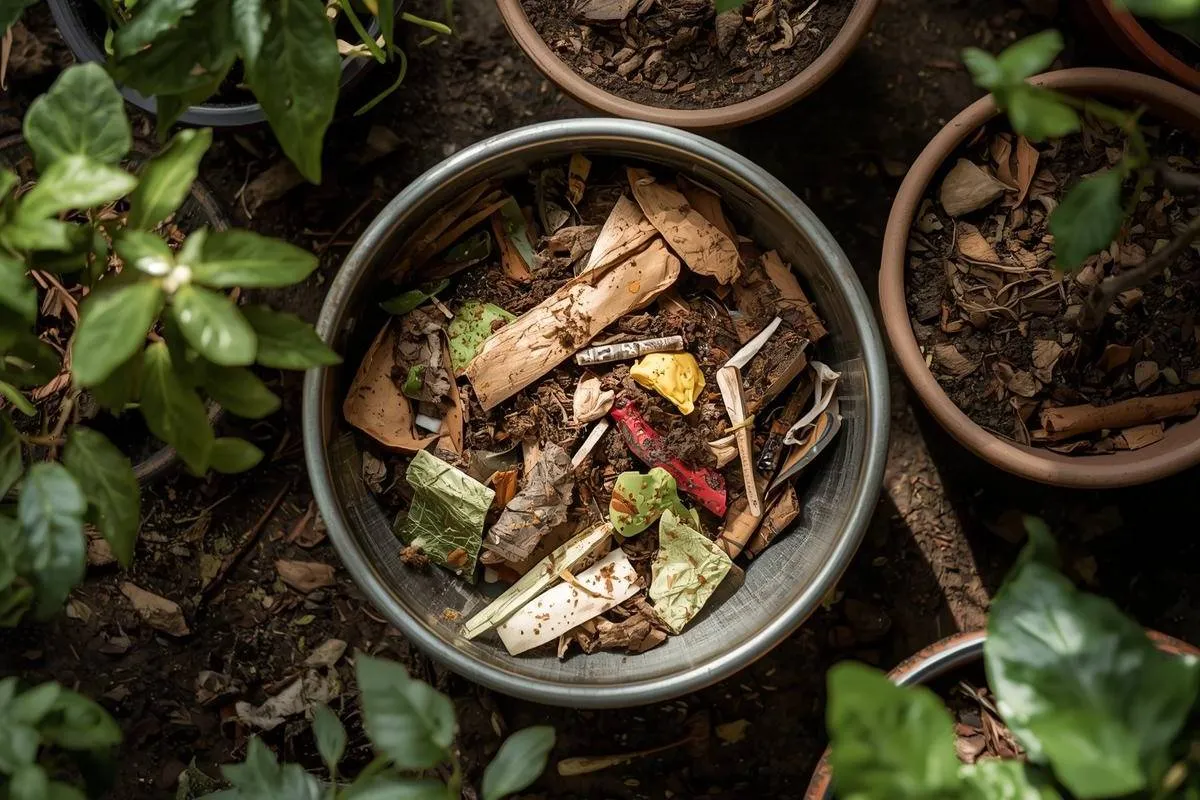
Many people toss away peels, shells, and leftovers without realizing they’re valuable for the garden. Kitchen waste is full of nutrients that plants love — nitrogen, potassium, calcium, and other minerals. Instead of sending it to the landfill, reusing it in your garden helps reduce waste, save money, and build healthier soil naturally. It’s simple, eco-friendly, and rewarding to see your waste turn into growth.
Even small steps — like composting fruit peels or making fertilizer tea from vegetable scraps — can make a big difference over time. You’ll be surprised at how quickly your plants respond to these natural boosters.
2. Start Composting at Home
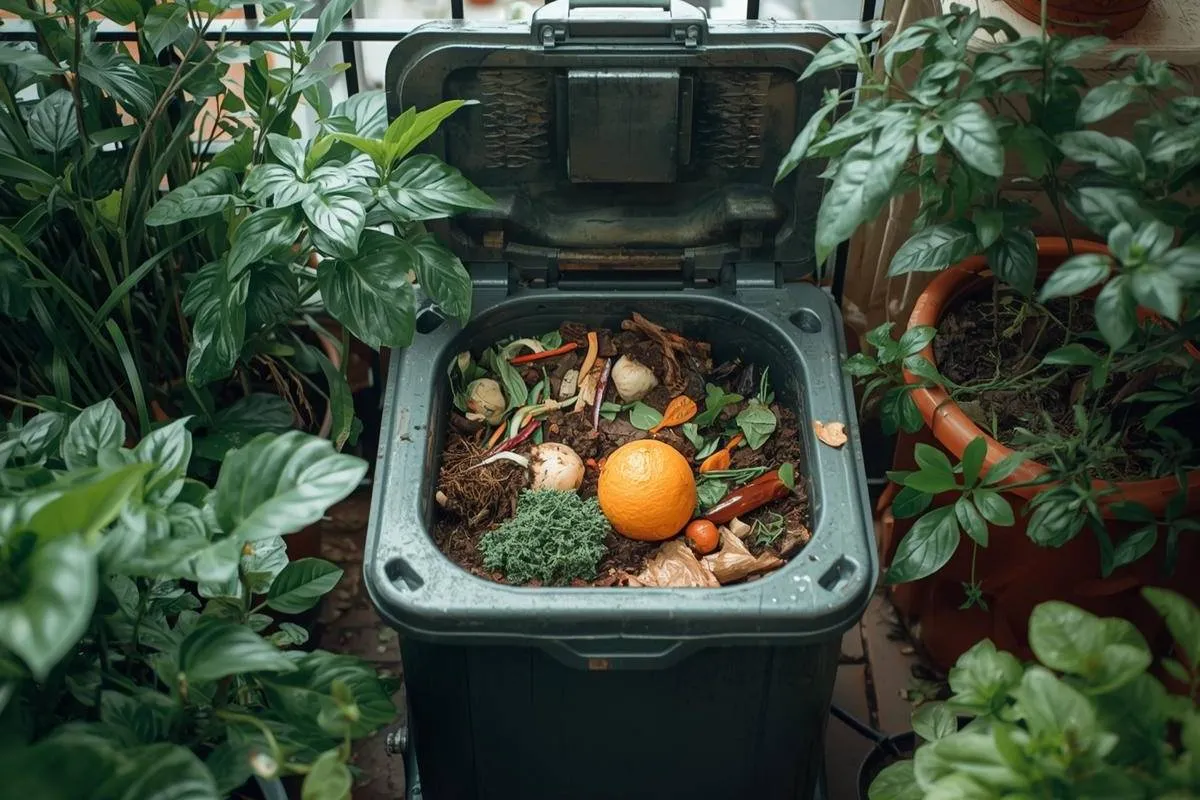
Composting is the best way to recycle most kitchen waste. You don’t need a big yard — just a small bin or bucket works for balconies and patios. Add fruit and vegetable peels, coffee grounds, tea leaves, eggshells, and shredded paper. Avoid oily food, meat, or dairy, as they can attract pests. Layer your compost with dry leaves or cardboard to balance moisture and let it decompose naturally over a few weeks.
The result is dark, crumbly compost full of life — a natural fertilizer that improves soil texture and helps roots breathe. Once ready, mix it into potting soil or sprinkle it around your plants for a slow, steady nutrient release.
3. Coffee Grounds for Growth
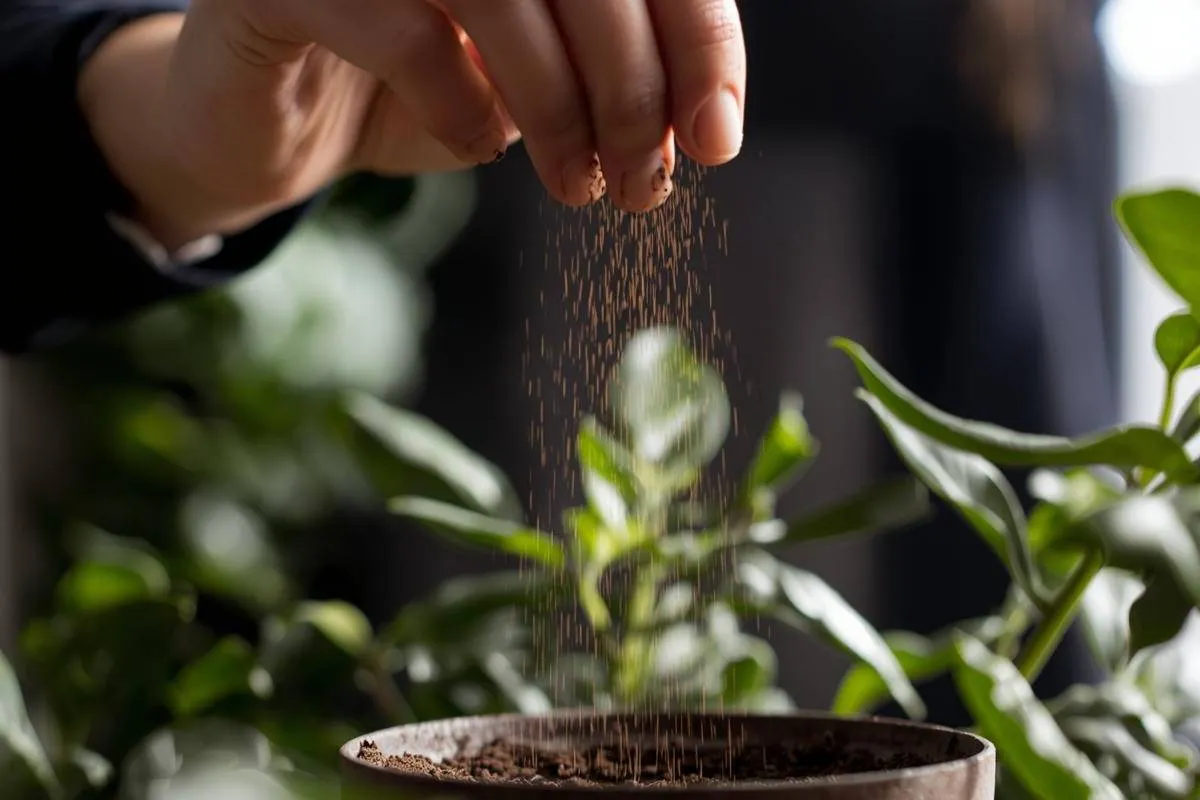
Don’t throw away your used coffee grounds! They’re rich in nitrogen and improve soil structure. Simply dry them out and mix them into the top layer of soil around acid-loving plants like roses, azaleas, or tomatoes. You can also brew a “coffee ground tea” — soak grounds in water overnight and use it to water plants. It’s a mild fertilizer that boosts leaf growth and improves soil microbes naturally.
Just remember to use in moderation — too much can make soil acidic. Mixing grounds with compost or other organic material keeps the balance right.
4. Eggshells for Calcium Boost
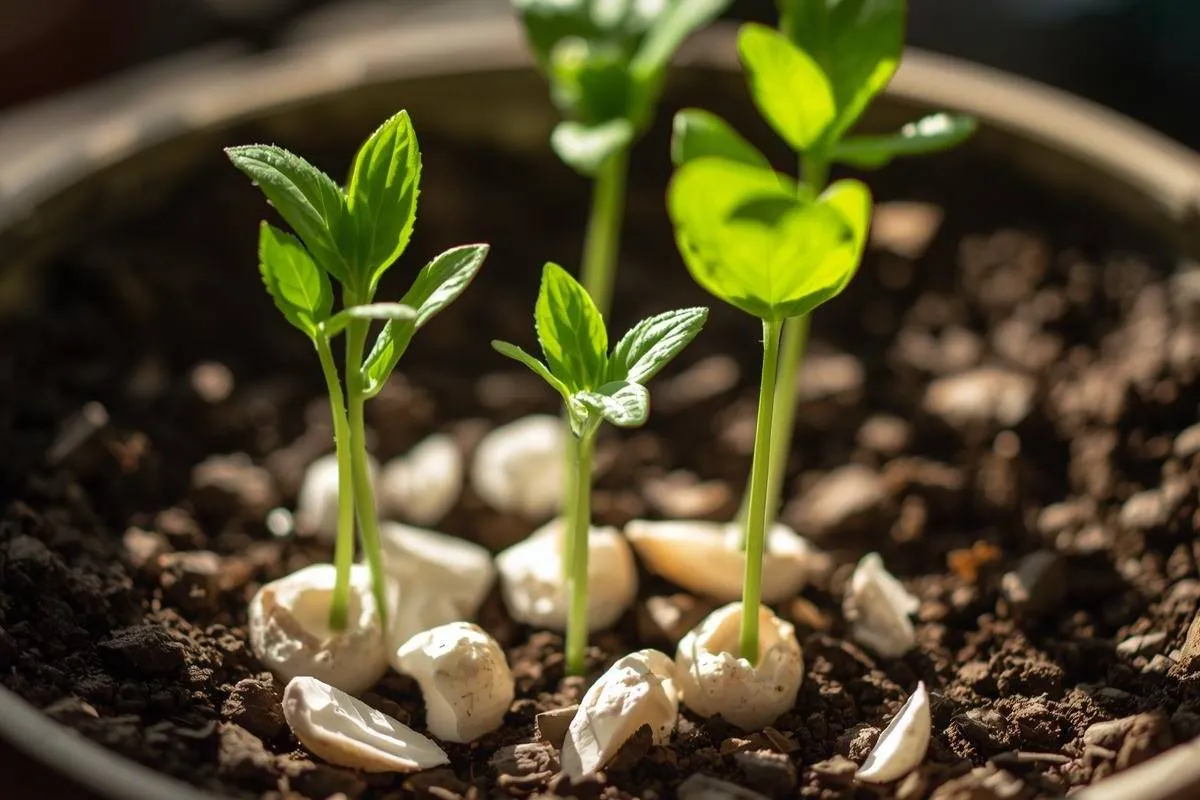
Eggshells are nature’s calcium supplements. Rinse, dry, and crush them into small pieces before sprinkling around plants or mixing into soil. The calcium helps strengthen plant cell walls and prevents blossom-end rot in tomatoes and peppers. You can also steep crushed shells in water for a day to make a gentle calcium-rich spray for leaves.
Eggshells also act as a natural pest deterrent — their sharp edges keep snails and slugs away from tender seedlings.
5. Vegetable Scrap Fertilizer Tea
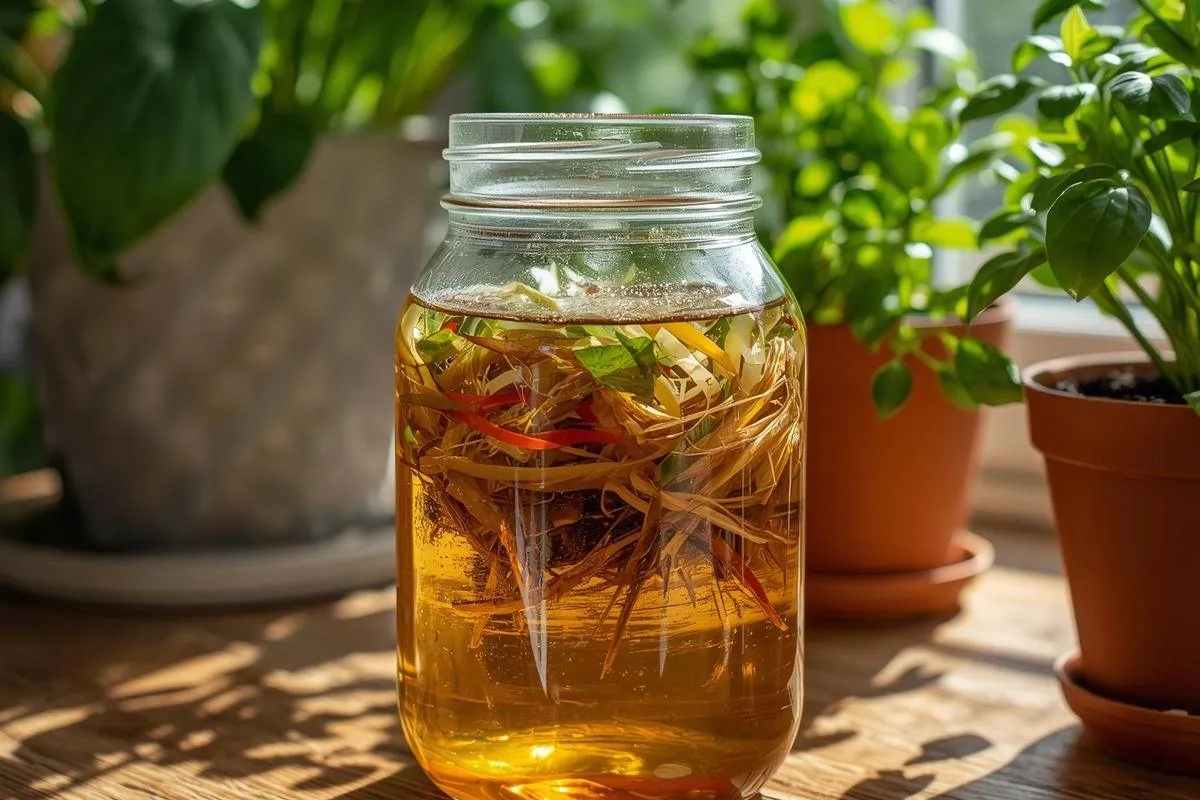
Instead of throwing vegetable scraps down the drain, collect them to make a nutrient-rich “plant tea.” Add chopped carrot tops, spinach stems, and pea shells to a pot of water, boil for 15–20 minutes, and let it cool. Strain the liquid and use it to water your plants once a week. This mild fertilizer contains natural minerals that encourage healthy foliage and flower production.
For best results, store the cooled tea in a covered container and use within a few days. The remaining boiled scraps can go straight into your compost bin.
6. Banana Peels for Potassium
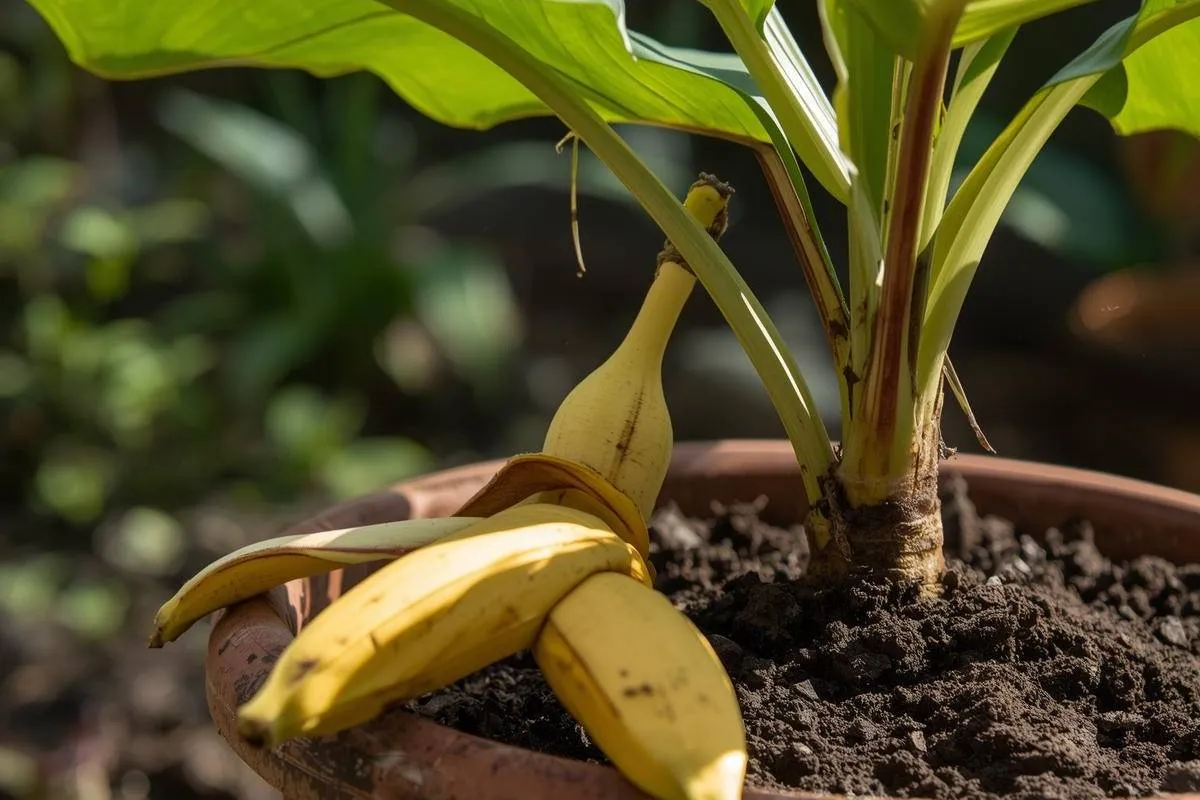
Banana peels are full of potassium — essential for flowering and fruiting plants. Cut them into small pieces and bury them near the plant roots or blend them with water to make banana compost tea. This natural fertilizer enhances bloom quality and strengthens stems. Roses, geraniums, and pepper plants especially love this boost.
Banana peel fertilizer is completely safe and leaves no harmful residue, making it ideal for organic gardens.
7. Citrus Peels and Onion Skins as Pest Control
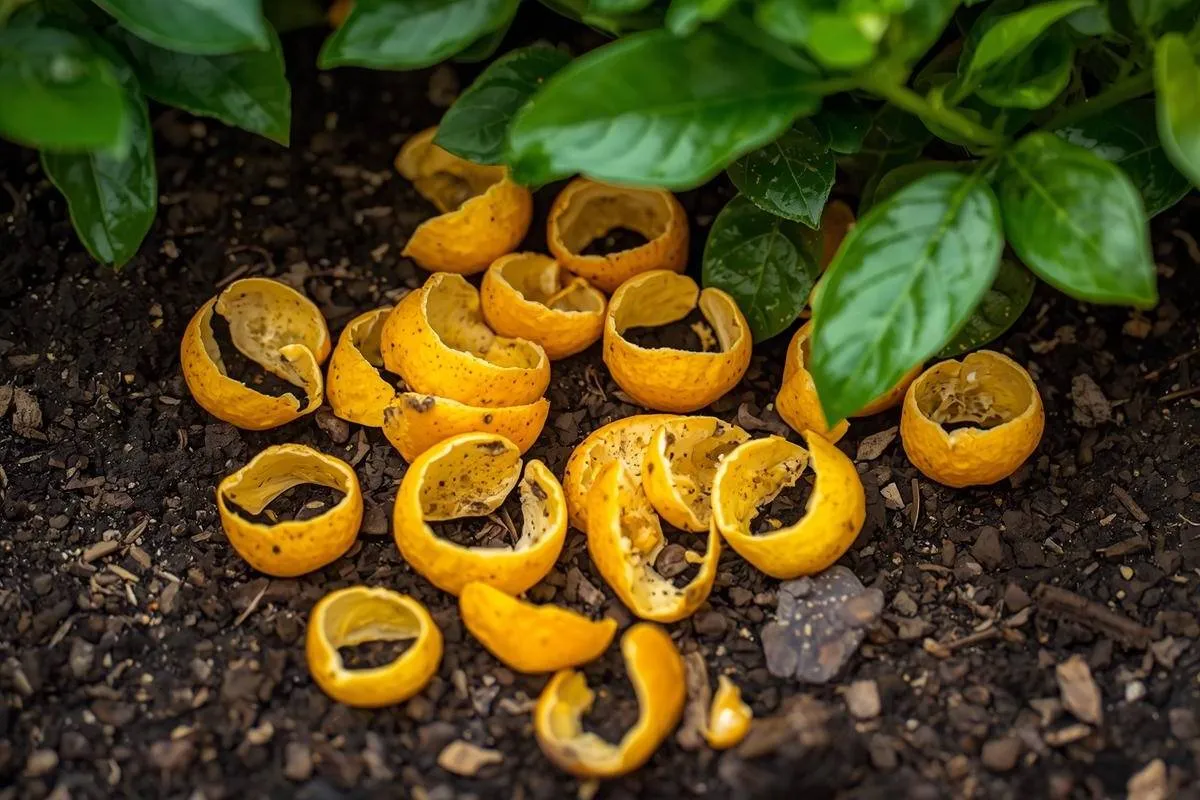
Citrus peels contain natural oils that repel ants and aphids. Scatter small pieces around garden beds or soak peels in water overnight to make a gentle pest-repelling spray. Similarly, onion skins can be boiled to make a reddish liquid rich in potassium and sulfur — both beneficial for plant growth and pest resistance.
Spray this onion peel solution on leaves once every two weeks to keep your plants shiny and bug-free without chemicals.
8. A Greener Habit for Everyday Life
Reusing kitchen waste isn’t just good for your plants — it’s a mindful, eco-conscious habit that brings you closer to nature. By transforming scraps into nourishment, you reduce landfill waste, enrich your soil, and save money on store-bought fertilizers. Over time, you’ll notice your plants look healthier, the soil feels richer, and your garden thrives more naturally.
Start today — keep a small container in your kitchen for peels, grounds, and shells. Once you see the difference it makes, you’ll never see waste the same way again.