
1. Mint — Refreshing and Resilient
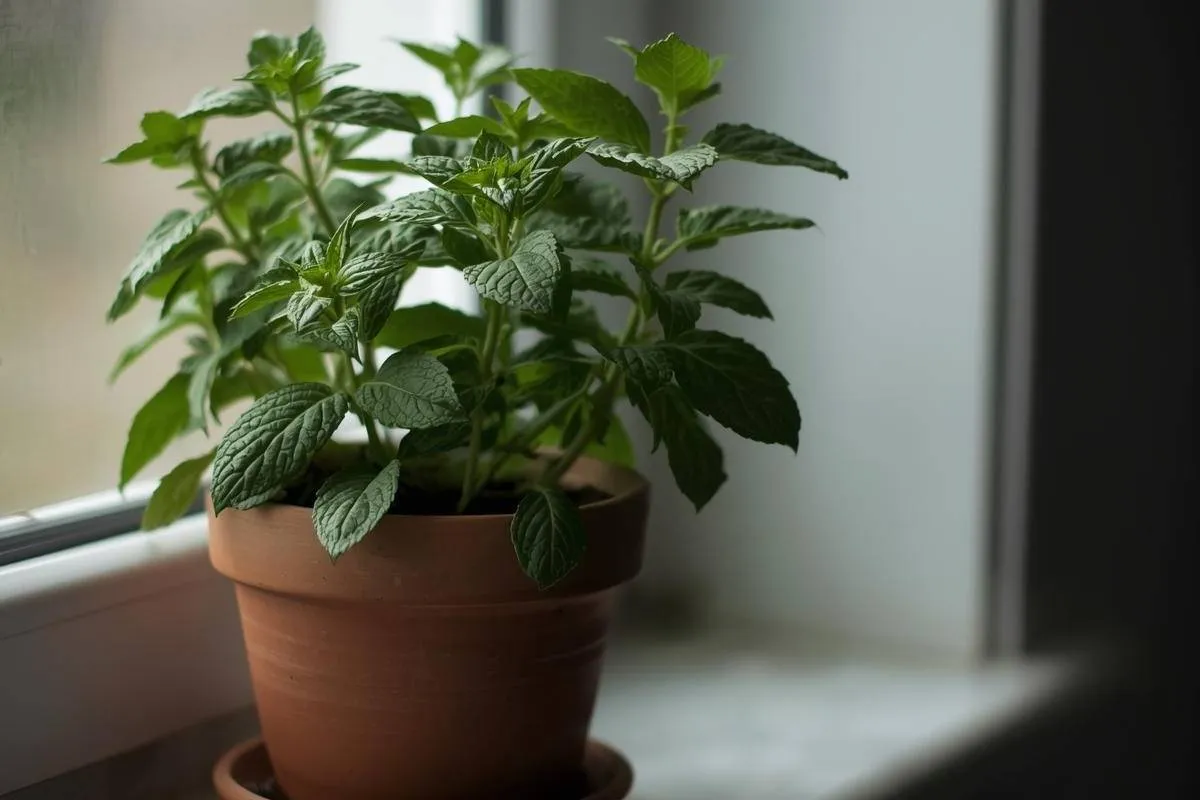
Mint is one of the most forgiving herbs you can grow indoors. It flourishes in indirect light and adapts easily to cooler or shaded spaces. Place it near a window that gets filtered light, and it will reward you with lush green leaves and a fresh, invigorating scent. The key is to keep the soil consistently moist but not soggy — mint loves humidity but dislikes drying out completely.
Trim the tips regularly to encourage bushier growth and prevent the plant from becoming leggy. You can grow peppermint, spearmint, or chocolate mint varieties, each offering unique flavor profiles for teas, desserts, and salads. Mint also purifies the air, making it a pleasant companion plant for small kitchens or living rooms.
2. Parsley — The Nutrient-Packed Shade Lover
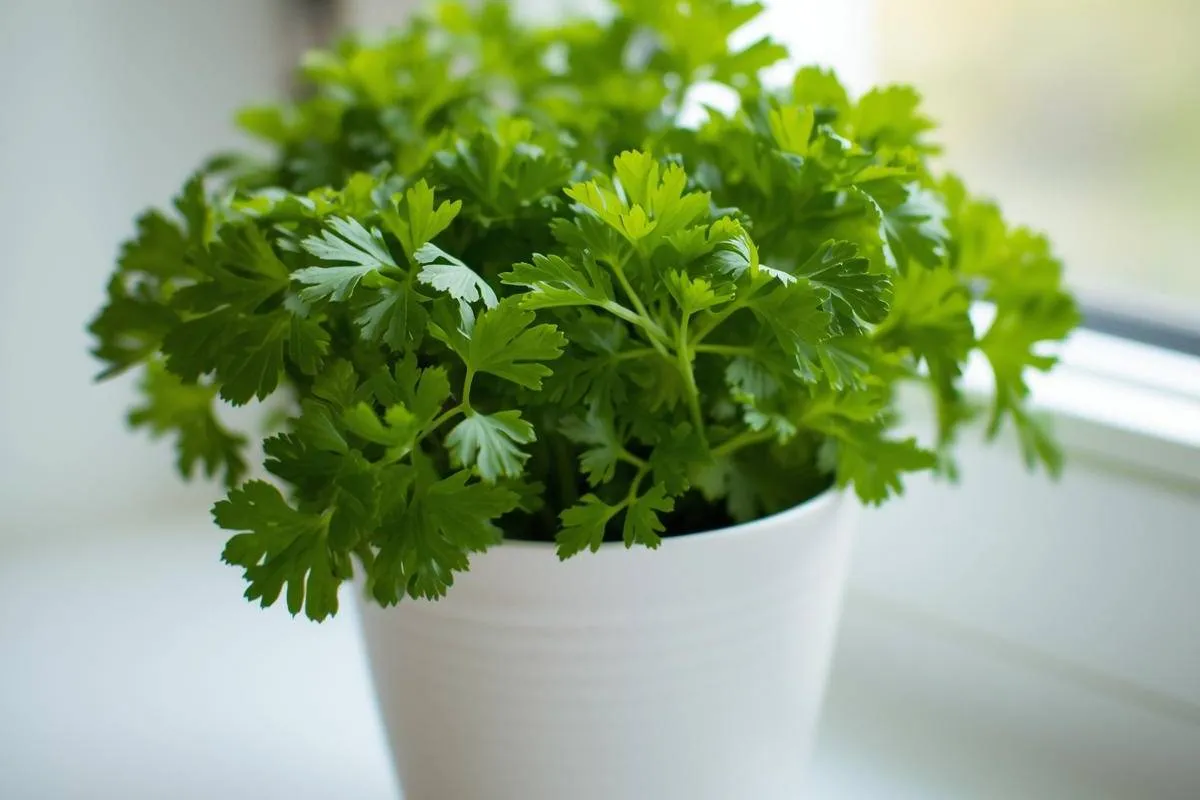
Parsley doesn’t need direct sunlight to thrive — a few hours of gentle morning or reflected light is enough. This hardy biennial herb grows well in pots on countertops or near north-facing windows. Keep its soil evenly moist and feed it lightly every few weeks with organic fertilizer to maintain vibrant, green leaves.
Parsley is rich in vitamins A, C, and K, adding not just flavor but health benefits to your meals. You can harvest outer stems while allowing new shoots to form in the center. Curly and flat-leaf parsley both do well indoors, and their crisp texture makes them ideal for soups, stews, or garnishing your dishes.
3. Chives — A Subtle Onion Flavor for Any Space
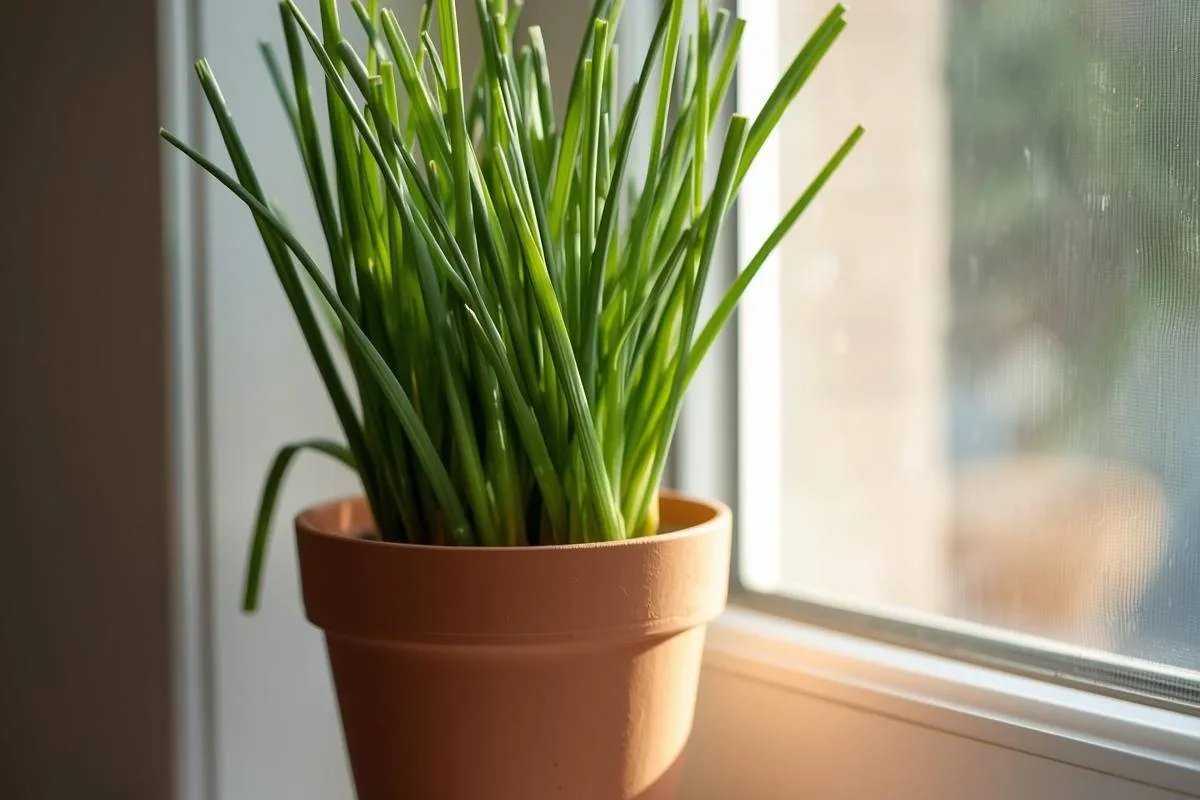
Chives are compact, low-maintenance herbs that grow happily in low-light conditions. Their slender, green blades and mild onion flavor make them perfect for seasoning eggs, soups, or dips. Chives prefer slightly moist soil and good drainage, but they can survive occasional neglect — making them great for busy or beginner gardeners.
Even in indirect light, chives will produce lovely purple blossoms that attract pollinators if you occasionally place the pot near a brighter window. Snip the leaves close to the base to encourage continuous regrowth. With a little care, one pot of chives can last for years, bringing a hint of garden freshness to your kitchen windowsill.
4. Lemon Balm — Calming and Fragrant
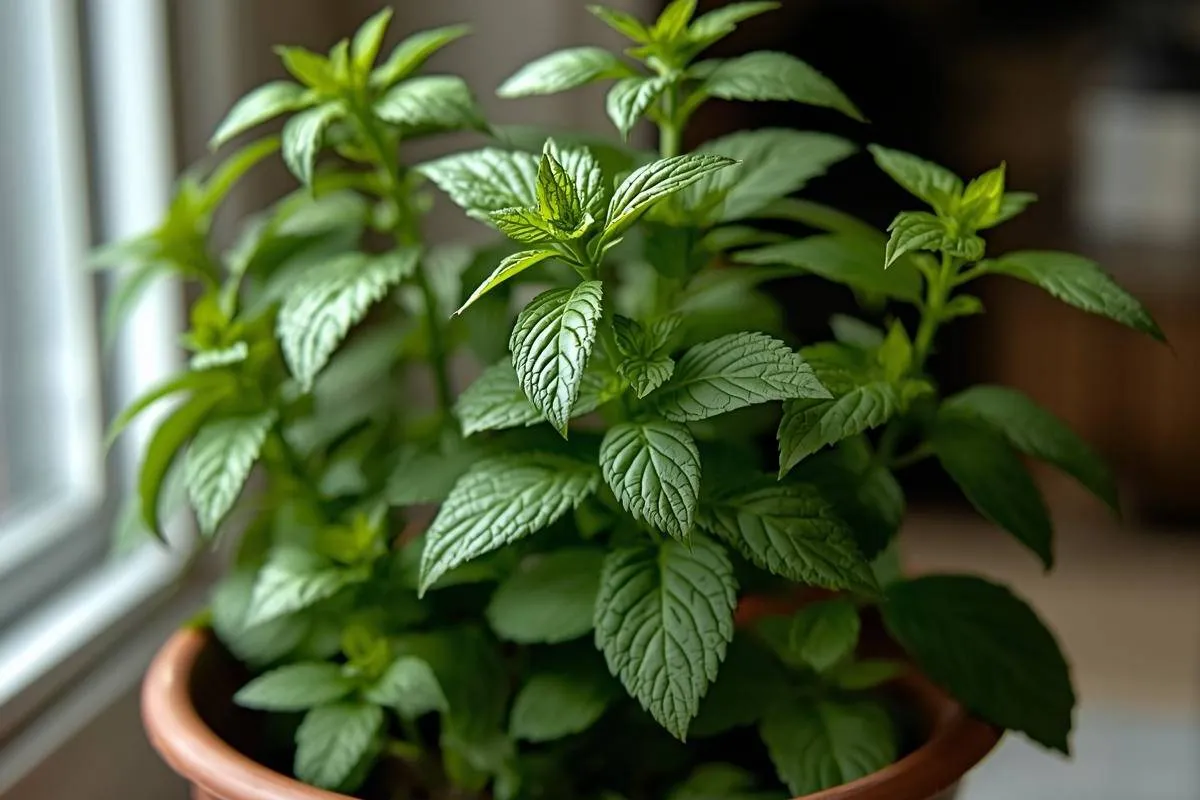
Lemon balm, part of the mint family, thrives in moderate indoor light and cool temperatures. Its lemony aroma and calming qualities make it a favorite for herbal teas and relaxation corners. Even with just a few hours of indirect light daily, lemon balm grows steadily when watered consistently and trimmed often.
To prevent legginess, pinch the tops regularly, and rotate the pot every week for even light exposure. The leaves can be dried for tea or used fresh in salads and desserts. Lemon balm’s gentle scent also helps deter mosquitoes and freshens the air naturally — a great reason to keep it near doors or windows.
5. Cilantro — A Quick-Growing Indoor Delight
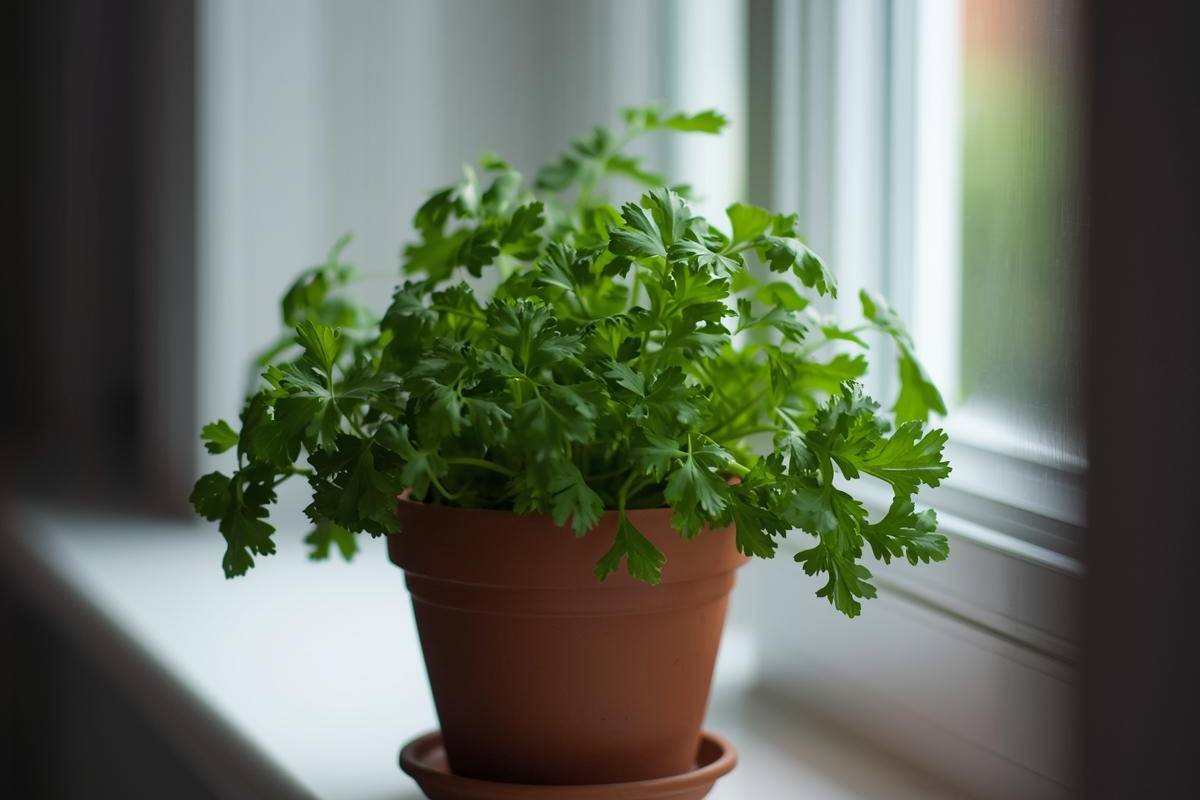
Though cilantro prefers cooler weather, it adapts surprisingly well to low light conditions indoors. It grows best in wide, shallow pots where air can circulate easily around the stems. Water it regularly, but don’t let the roots sit in water — good drainage is essential. Cilantro matures quickly, so sowing new seeds every few weeks ensures a steady supply.
Harvest leaves when they reach 4–6 inches, and enjoy their bright, citrusy flavor in soups, curries, or salads. Even after flowering, the seeds (known as coriander) can be collected and used as a spice. Cilantro’s fast growth and refreshing taste make it a rewarding herb for small apartments or kitchens with gentle ambient light.
Bringing Green Life to Dim Spaces
Growing herbs indoors isn’t about perfect sunlight — it’s about creating balance and consistency. These five low-light herbs prove that nature is adaptable and forgiving. With the right moisture, occasional feeding, and a touch of attention, your windowsills and counters can bloom with fragrance and flavor all year round.
Whether you live in a shaded apartment or a home with few sunny spots, these resilient herbs will add freshness to your meals and calm to your surroundings — a reminder that even in low light, growth is always possible.