
1. Why Watering Right Matters
Most people think watering plants is as simple as pouring water whenever you remember, but in truth, it’s the foundation of plant health. Water affects every function — from nutrient absorption to leaf growth and flower formation. Too much, and roots suffocate. Too little, and leaves wilt. Finding the right balance means understanding what your plant truly needs and building a routine that fits your life — even if you sometimes forget.
Watering right isn’t just about keeping plants alive — it’s about helping them flourish. Once you tune in to your plants’ rhythm, you’ll start noticing subtle signals — firm leaves, vibrant color, and steady new growth — all signs that you’re getting it right.
2. Learn to Read the Soil
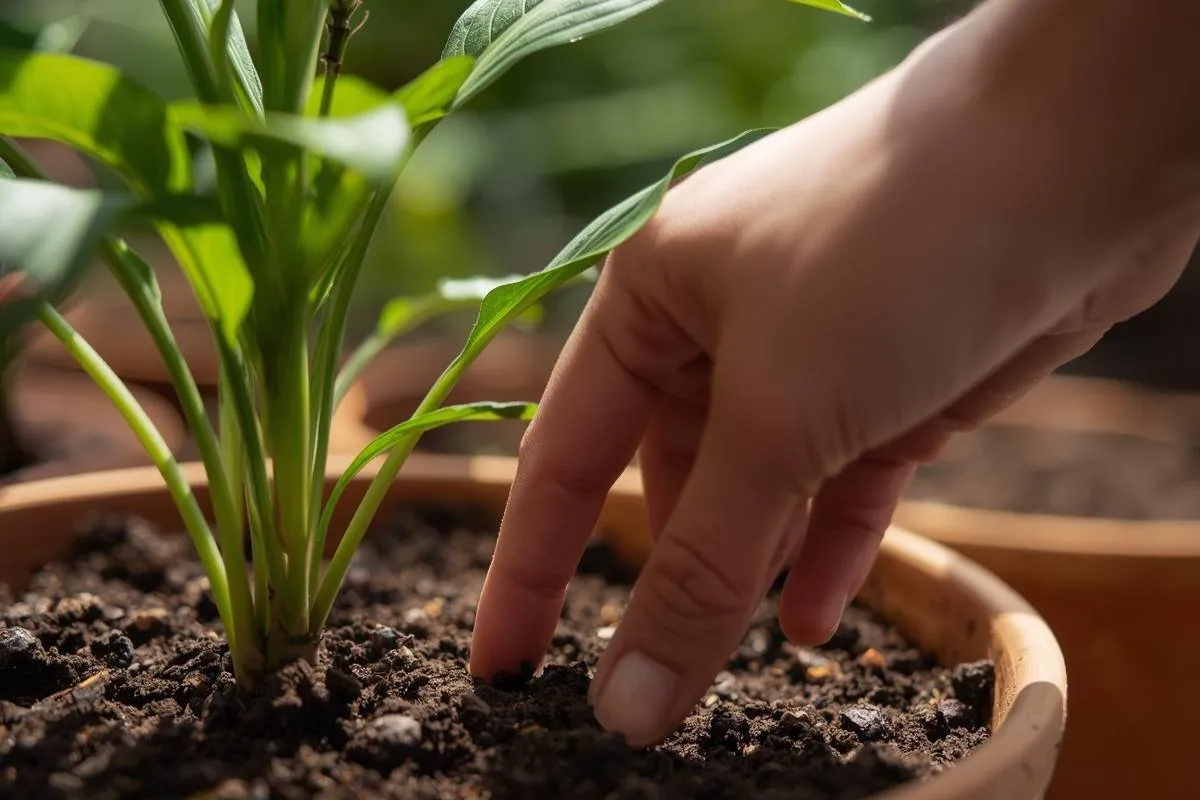
The best watering schedule is not fixed — it’s flexible. Instead of sticking to strict days, check your soil regularly. Press your finger about an inch deep: if it feels dry, it’s time to water; if it’s still cool or damp, wait a day. For potted plants, lift the pot — light weight usually means the soil is dry.
Forgetting to water occasionally isn’t disastrous if your soil has good structure. Add organic matter like compost or coconut coir to help retain moisture without waterlogging. Remember, roots need both water and air. Well-aerated soil dries evenly, which makes it more forgiving when you skip a day or two.
3. Water Deeply, Not Often
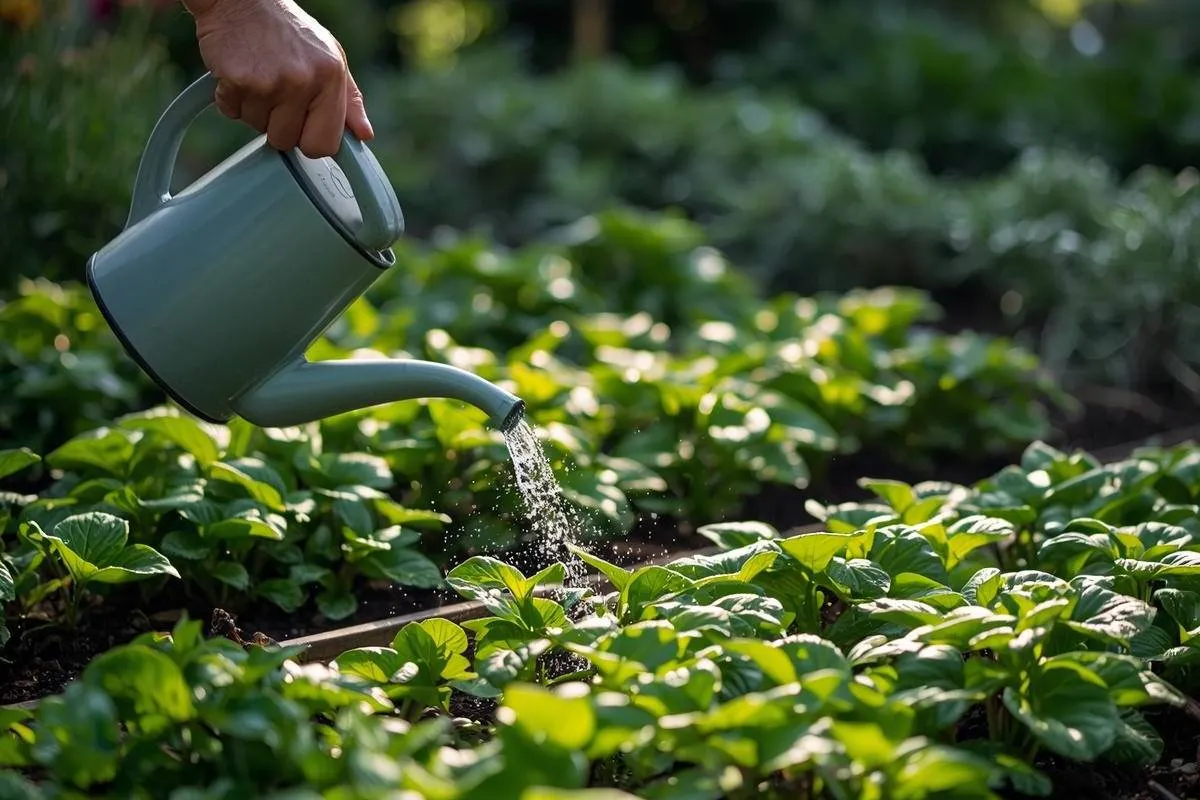
Shallow watering encourages shallow roots, making plants dependent on frequent attention. Deep watering, on the other hand, trains roots to grow downward in search of moisture. Pour water slowly at the base of the plant until it drains out the bottom — this ensures the entire root zone is soaked.
For garden beds, a slow trickle hose or watering wand helps distribute water evenly. In pots, let excess drain fully, then empty saucers to prevent root rot. Deep watering once or twice a week is far healthier than light splashes every day — and it gives you freedom to forget occasionally.
4. Time It Right
The best time to water is early morning. Plants have the whole day to absorb moisture before heat causes evaporation. If mornings aren’t possible, late afternoon is a good second choice — just avoid watering at night, which can leave leaves damp and invite fungal problems.
By linking watering to an existing habit — like making your morning tea or checking the news — you’ll naturally remember more often. It becomes part of your rhythm instead of another chore to remember.
5. Choose Tools That Help You Remember
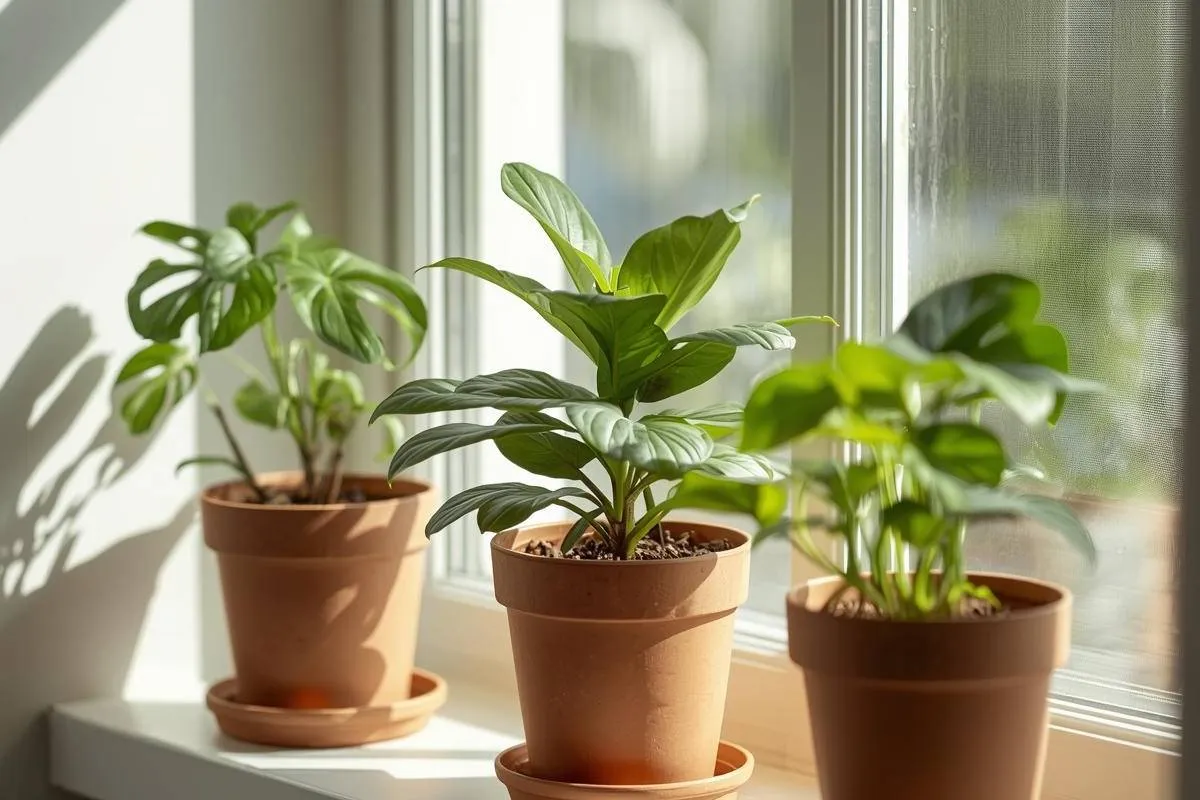
If memory is your weak spot, let your tools do the work. Self-watering pots store water in a reservoir, releasing it gradually as plants need it. Moisture-retaining crystals and watering spikes can stretch intervals between waterings. You can also set gentle reminders on your phone or use a simple weekly chart near your plants.
Grouping plants with similar watering needs is another trick. For example, keep all your succulents together so you don’t accidentally over-water them while tending to thirsty ferns. Smart design saves time and prevents mistakes.
6. Make Watering Part of Relaxation
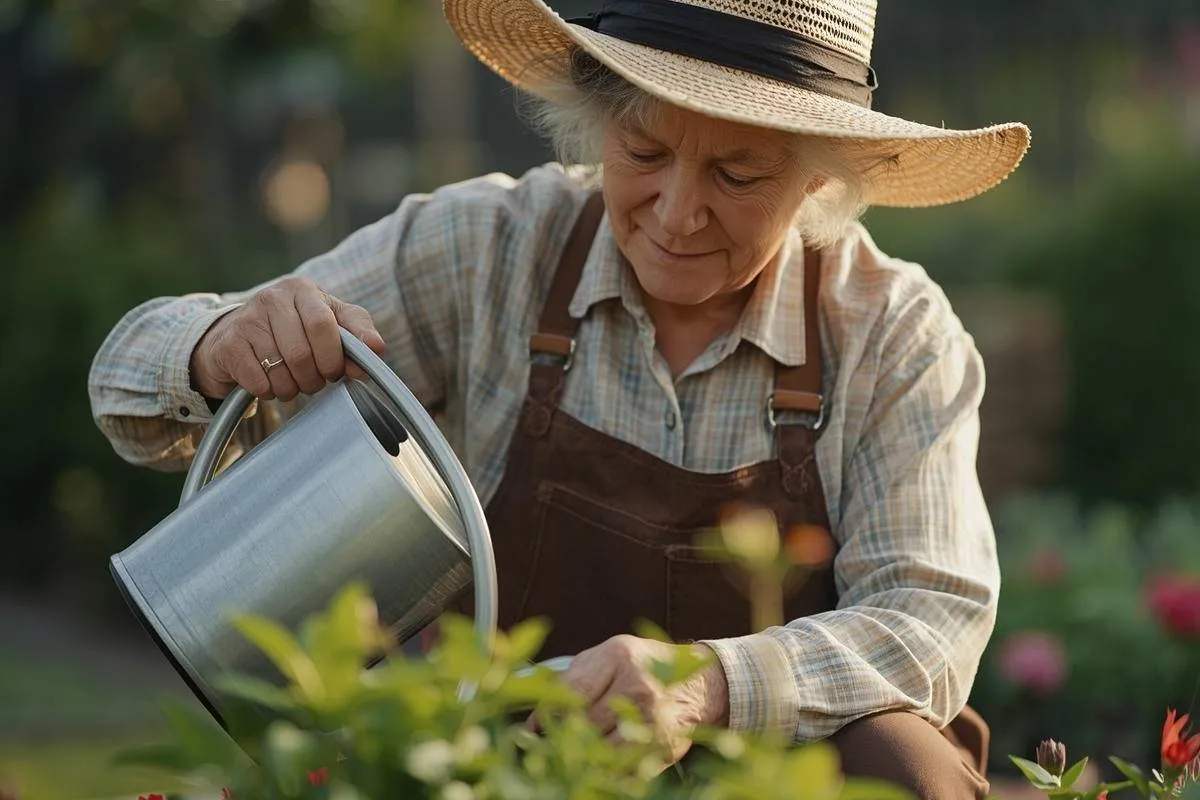
Instead of viewing watering as a task, treat it as a moment of calm. Take a few slow breaths, notice the textures and scents, and let it ground you. This shift in mindset turns routine care into a daily dose of mindfulness. Even five minutes of quiet watering can reduce stress and connect you with the living world around you.
When you enjoy the process, you’re less likely to skip it. Plants respond to consistency and care — and when you show up regularly, they reward you with vitality that brightens your entire space.
7. What to Do If You Forget
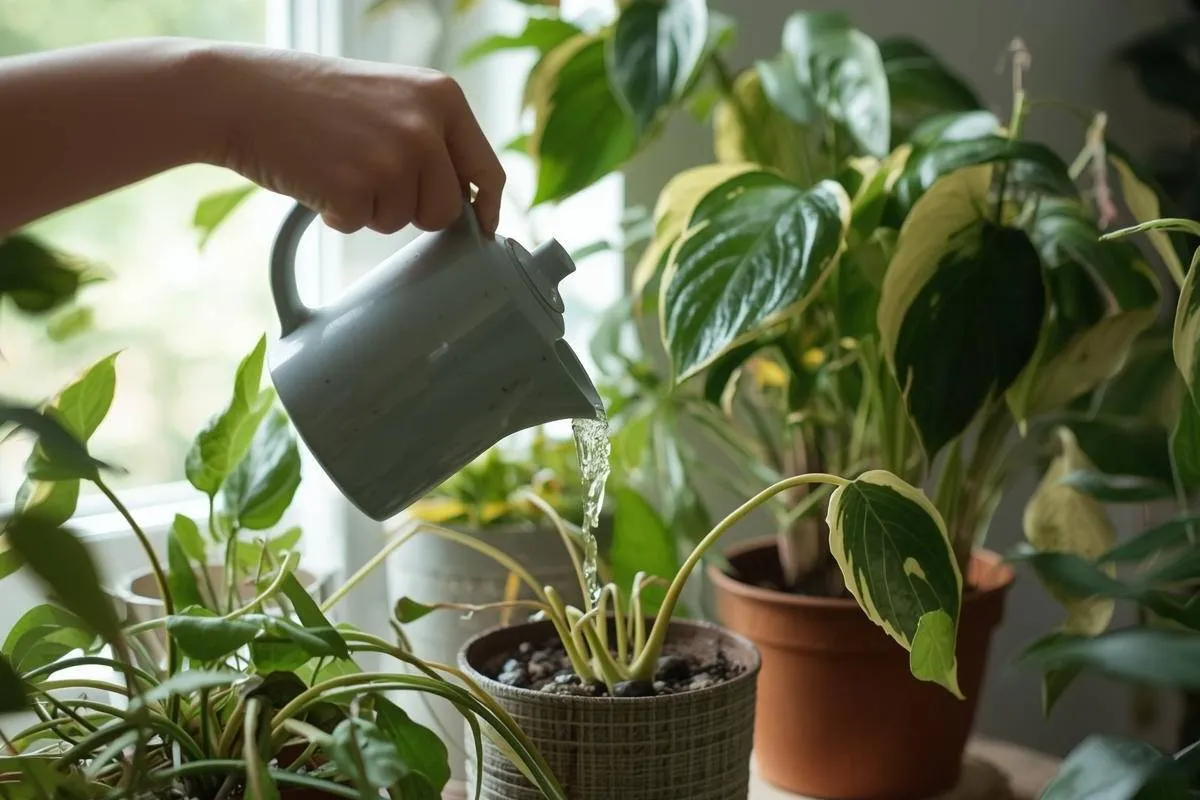
We’ve all had that moment — you notice drooping leaves and realize it’s been a week. Don’t panic. Move your plant to a shaded spot and water slowly. Avoid dumping a lot at once; instead, add water gradually so the soil reabsorbs moisture without shocking the roots. In severe cases, submerge the pot halfway in a bucket of water for 10–15 minutes, then drain well.
Once revived, add mulch on top of the soil to reduce evaporation and keep moisture longer next time. Forgive yourself — plants are surprisingly resilient. What matters most is learning from the pattern and building gentle consistency.
8. Building a Forgiving Routine
The right watering habit is one that fits your life. A few small tweaks — like grouping pots, using the right tools, and connecting watering with existing routines — can make all the difference. Remember, plants don’t need perfection; they need regular care and a bit of attention.
Even if you’re forgetful, your plants can thrive. By understanding their cues, using supportive tools, and treating watering as a mindful ritual, you’ll grow not just healthy greenery, but also a peaceful connection with nature every day.