
1. The Joy and Simplicity of Container Gardening
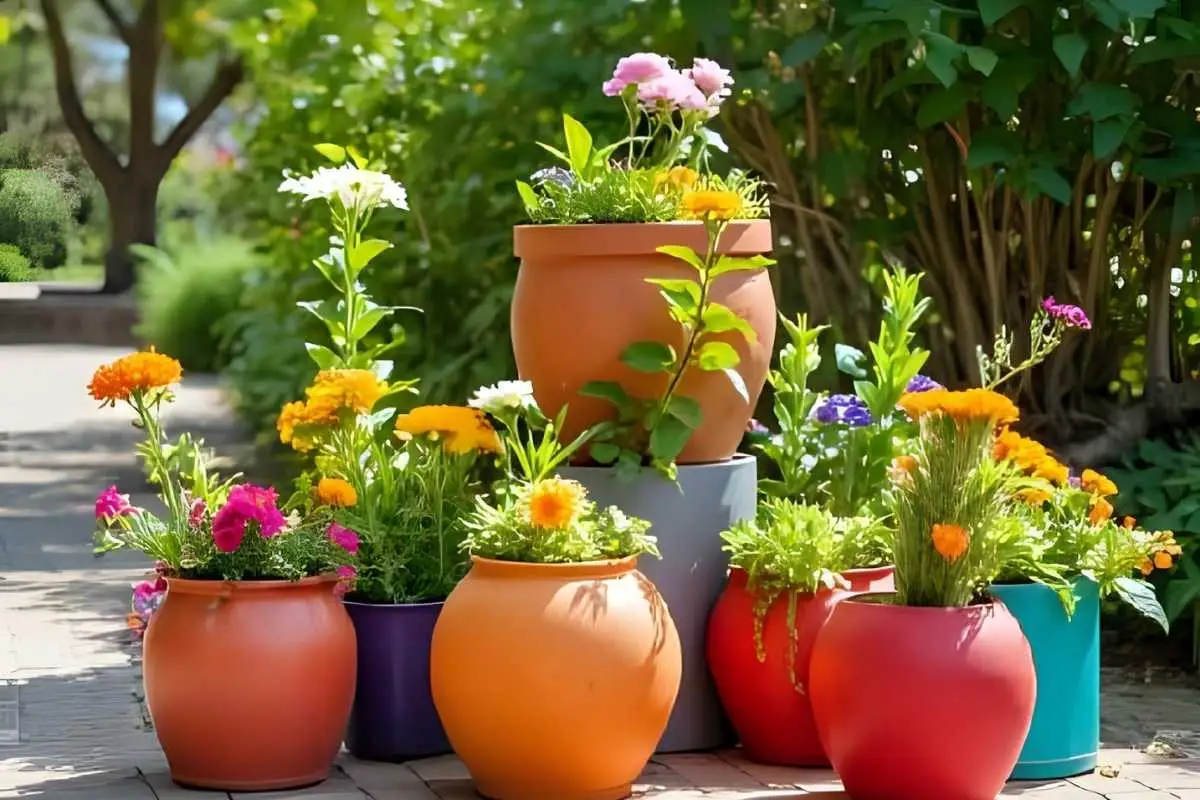
Container gardening opens up endless possibilities, no matter how limited your space or mobility. For seniors, it’s a wonderful way to stay active, creative, and connected with nature without needing a large yard or heavy tools. You can start small — just a few pots on your balcony or doorstep can add instant color and fragrance. The flexibility of containers allows you to move plants easily based on sunlight or weather conditions. You can garden standing, seated, or even indoors. It’s less about perfection and more about the simple joy of watching life grow right beside you.
In addition, container gardening promotes mindfulness and stress relief. Many seniors find that watering, pruning, and simply observing their plants improves mood and reduces anxiety. It also creates opportunities for gentle physical movement and social engagement when sharing plants or tips with friends and neighbors.
2. Choosing the Right Containers
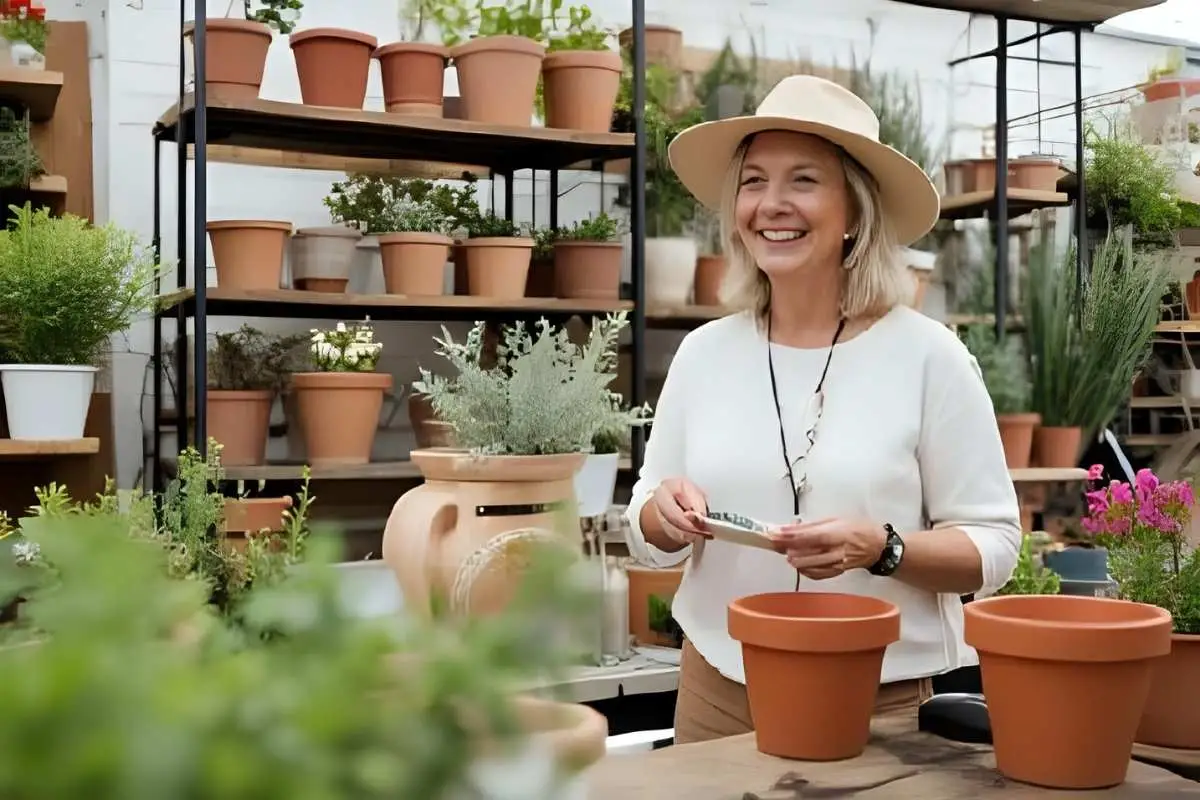
Your choice of container is key to your garden’s success. Terracotta pots breathe well, making them perfect for herbs and flowering plants, while lightweight plastic or fiberglass containers are easier to move. Seniors may enjoy raised planters or containers with built-in stands that reduce bending. Always ensure proper drainage by checking for holes at the bottom. You can even repurpose old buckets, baskets, or wooden crates for a rustic touch.
Try mixing container materials for visual variety. For instance, pair wooden planters with metal or ceramic pots for contrast. When selecting size, remember that larger pots retain moisture longer and need less frequent watering. If mobility is a concern, consider containers on wheels or trays that can be rolled for easy repositioning. Always match container depth to plant type — shallow pots for herbs, deep ones for shrubs or root vegetables.
3. Preparing Quality Soil and Drainage
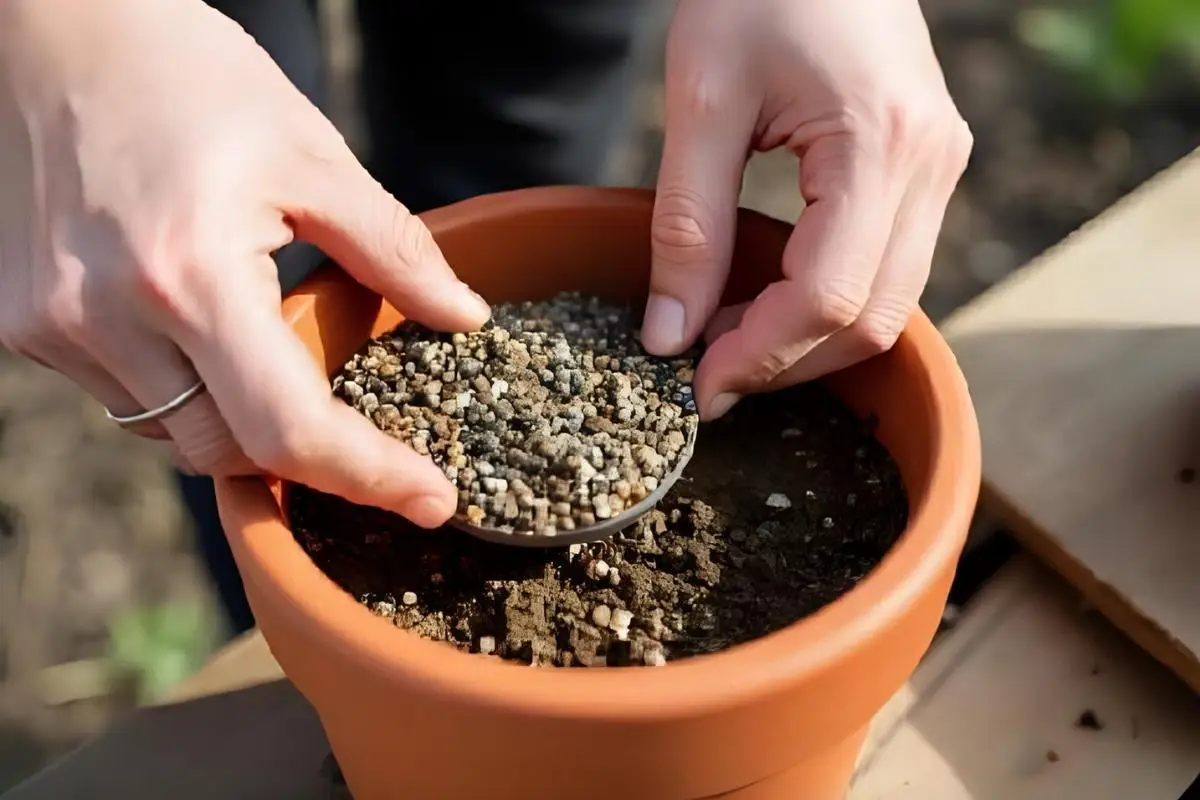
Unlike garden beds, containers need special soil that drains well yet retains moisture. Use a high-quality potting mix — never plain garden soil, which can compact and suffocate roots. Add a base layer of gravel or small stones to prevent waterlogging. Mixing in organic compost boosts nutrients and keeps your plants healthy. Seniors will appreciate how easy it is to refresh container soil between seasons — simply replace the top layer with compost or mulch.
For best results, check moisture daily during hot months. Adding perlite or coconut coir can improve aeration and moisture control. Avoid using heavy clay soils. For environmentally friendly gardening, choose peat-free compost and enrich it with kitchen compost or worm castings. These natural additives not only feed your plants but also promote beneficial microorganisms in your mini-ecosystem.
4. Selecting the Best Plants for Containers
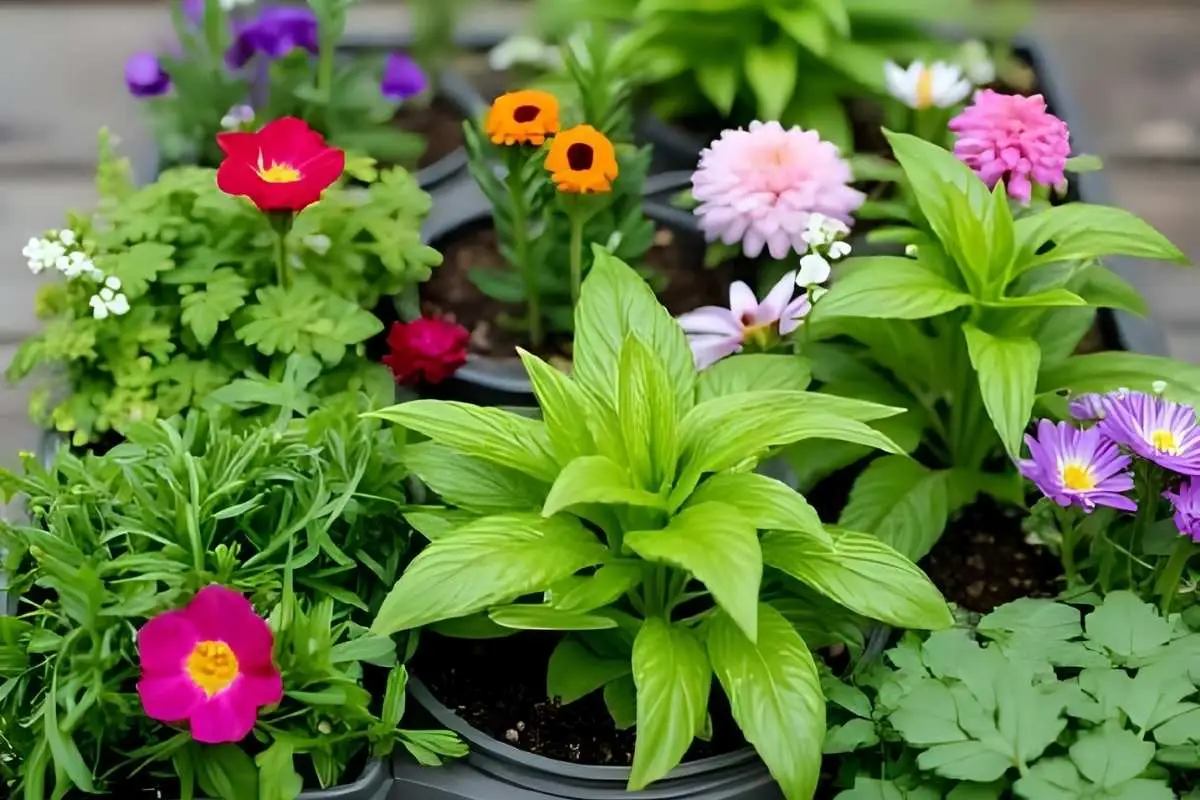
Some plants adapt better to container life than others. Herbs like basil, thyme, and mint are excellent for sunny spots, while ferns, begonias, and impatiens thrive in shade. For seniors, low-maintenance options like succulents, pansies, and petunias offer bright color with little effort. If you want a layered look, use the “thriller, filler, spiller” rule: a tall plant for drama, medium-sized ones for fullness, and trailing vines to spill over the edge.
To maximize variety, rotate plants seasonally. In spring, plant pansies or marigolds; in summer, switch to geraniums or zinnias; and during cooler months, use ornamental kale or hardy evergreens. For a practical twist, grow herbs or small vegetables like cherry tomatoes, peppers, and spinach in decorative containers. This combination of beauty and utility keeps your garden lively and purposeful.
5. Watering and Feeding Made Simple
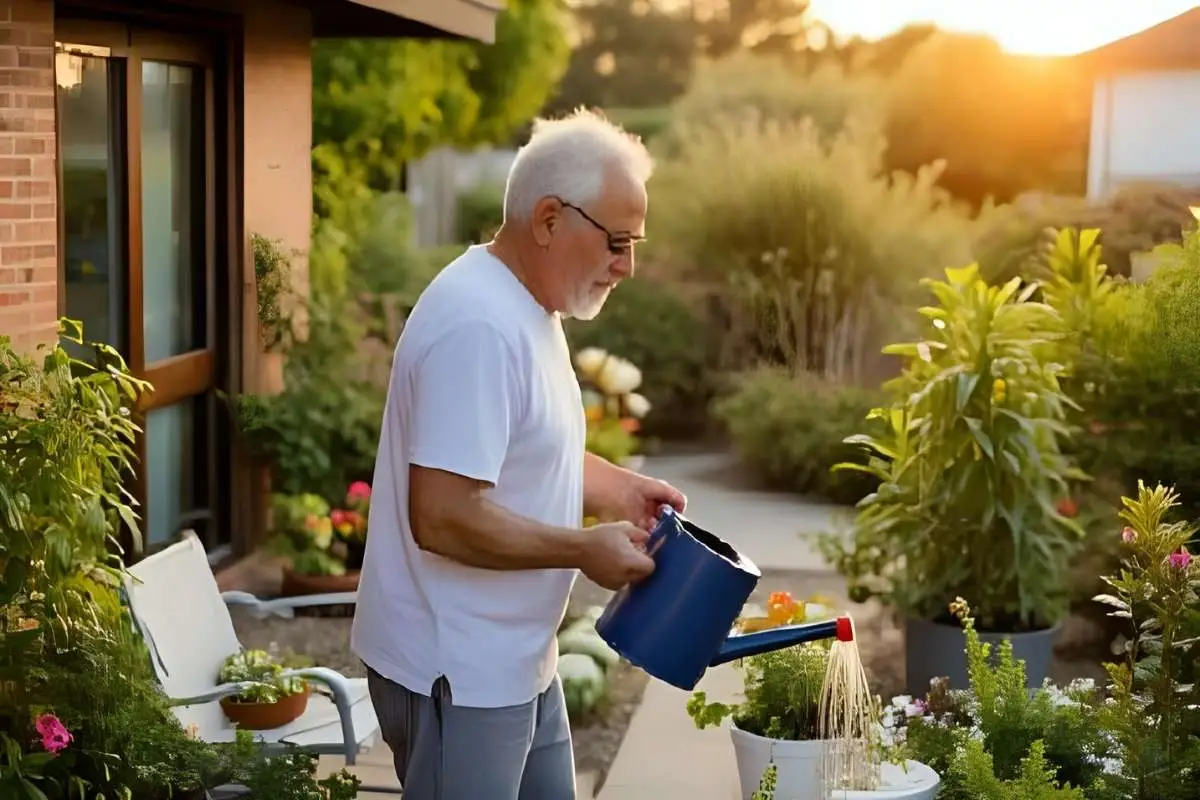
Since containers dry out faster than garden soil, consistent watering is vital. Water deeply until it drains from the bottom, ensuring roots stay hydrated. Using a lightweight watering can or a drip irrigation system can make the task easier for seniors. Fertilize with a diluted liquid feed every two to three weeks for steady growth. Grouping containers together can help retain moisture and reduce how often you need to water.
Morning watering is ideal — it minimizes evaporation and gives plants time to absorb moisture before the heat of the day. Check soil moisture by sticking your finger about an inch deep: if it feels dry, it’s time to water. Avoid letting water sit in saucers, as it can cause root rot. Organic fertilizers like compost tea or worm castings work wonderfully without chemicals and keep your garden safe for pets and wildlife.
6. Seasonal Care and Protection
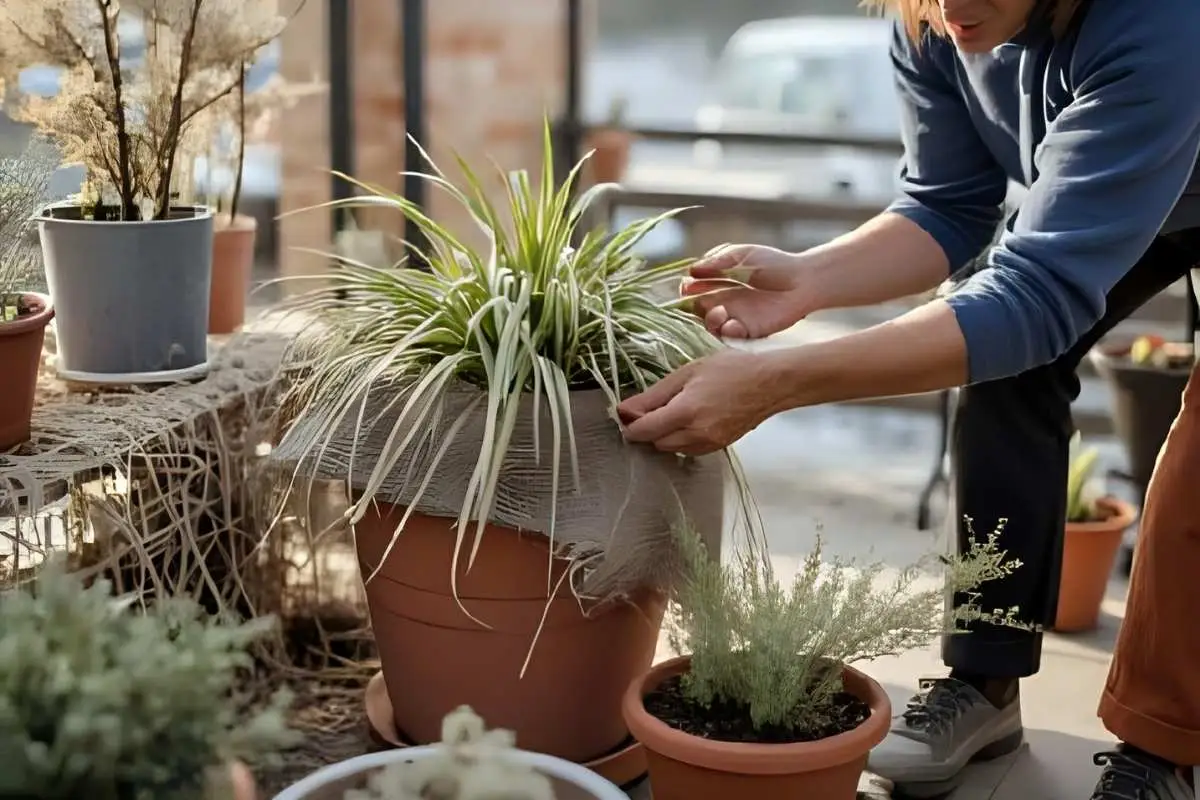
Container gardens need a little extra attention when the weather changes. In summer, move pots into light shade during heatwaves to protect delicate blooms. During winter, bring containers indoors or closer to walls where they’re sheltered from frost. Some hardy perennials can be left outdoors — just wrap them with fabric or move them to a sunny window.
Cleaning your containers at the end of each season prevents disease build-up. Rinse pots with mild soapy water, let them dry completely, and refresh soil before replanting. During monsoon or rainy seasons, elevate pots slightly to prevent waterlogging. These simple habits ensure your plants remain vibrant and healthy through all seasons, extending their life and your enjoyment.
7. Styling and Arranging for Beauty
Beyond practicality, container gardening is also an art form. Arrange pots in clusters or along walkways to create natural flow. Mix plant heights, leaf shapes, and flower colors for a vibrant, layered look. Add decorative elements like ceramic stands, painted pots, or solar garden lights for personality. You can even theme your containers — a “herbal tea corner,” a “butterfly garden,” or a “fragrant evening nook.”
Balance aesthetics with accessibility. Keep frequently tended plants at waist level to reduce bending, and ensure enough walking space between groups of containers. Add small benches or garden stools for resting and admiring your work. Lighting is another key element — soft LED or solar lights create an inviting atmosphere at dusk. The goal is to make your garden not just functional, but also an inspiring reflection of your personality and care.
8. Getting Started Today
You don’t need to spend a lot or know everything to begin. Start with three containers — one with herbs, one with flowers, and one with a decorative plant. Over time, observe what grows best in your conditions and expand gradually. Gardening is about progress, not perfection. With patience and curiosity, even a small balcony can become a sanctuary of color, scent, and calm.
Remember, your container garden is more than decoration — it’s a living companion that rewards your attention with beauty and tranquility. Every seed you plant and every bloom that opens is proof of care and renewal — a golden touch in everyday life.